
Why Every Canadian Driver Needs Roadside Assistance: What’s Covered & How to Choose the Right Plan
Breaking down on the side of the road is frustrating and often unsafe — especially in Canadian weather or remote regions. Whether it’s a dead battery in Winnipeg, a flat tire in Mississauga, or running out of gas on a highway in Alberta, unexpected car trouble can quickly derail your day.
That’s where roadside assistance becomes essential. A comprehensive roadside assistance plan provides timely, professional help when you need it most, offering peace of mind on every drive — whether you're commuting to work or taking a cross-country road trip.
What Is Roadside Assistance?
Roadside assistance is a service designed to support drivers when their vehicle experiences mechanical problems or minor breakdowns. These services are delivered on-site and typically include:
-
Towing to a repair facility when your vehicle can't be fixed on the spot
-
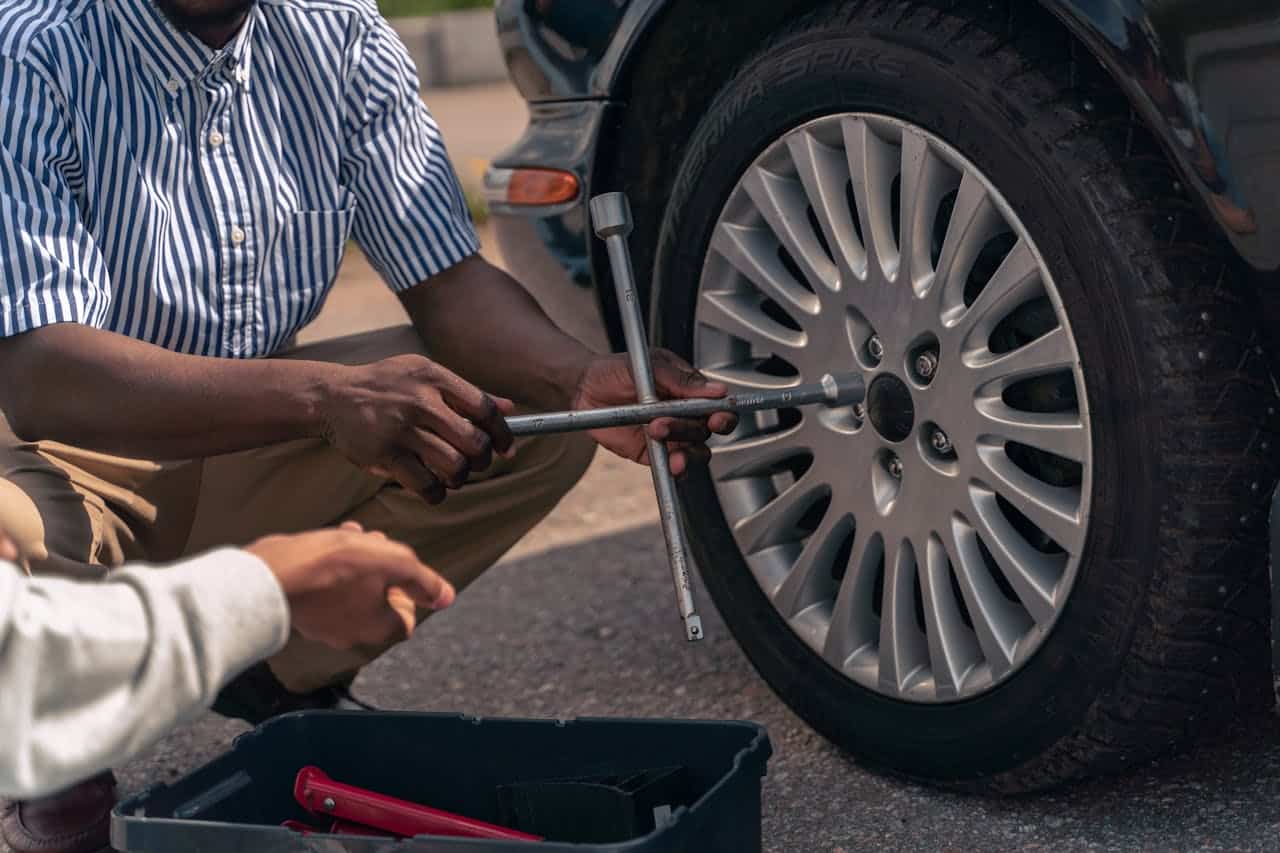
Tire changes when you have a flat and need a spare installed
-
Jump starts for dead batteries, especially common in cold Canadian winters
-
Fuel delivery when you run out of gas on the road
-
Lockout services to regain access to your vehicle if your keys are locked inside
Having this protection means you’re never truly alone when car trouble strikes — even in rural areas or during off-hours.
Why Roadside Assistance Matters for Canadian Drivers
Roadside assistance is more than convenience — it's a safety net, especially in a country with long distances, diverse terrain, and harsh seasonal conditions.
Key Benefits Include:
-
Faster Help: Professional support often arrives much faster than relying on a friend or searching for a local tow service.
-
Safety and Security: Getting stuck on the shoulder of a highway or in sub-zero temperatures is dangerous. Roadside assistance reduces that risk.
-
Peace of Mind: Drivers and families travel with more confidence knowing help is just one call away.
If you frequently drive in rural regions or take long trips, a plan with wide coverage across Canada is especially important.
How to Choose the Right Roadside Assistance Plan
Not all plans are created equal. When evaluating your options, consider the following:
1. Coverage Area
Make sure the provider services the areas you travel most — including remote routes, not just major cities.
2. Included Services
Look for a plan that covers more than just towing. The best plans also include battery boosts, lockout assistance, fuel delivery, and tire service.
3. Response Times
Choose providers that prioritize fast arrival times. A quicker response means less time spent stranded on the roadside.
4. Cost vs. Value
While basic plans are budget-friendly, comprehensive plans typically offer better protection and save more time and money in the long run.
Comparing Basic vs. Comprehensive Roadside Assistance
Here’s how common plan types stack up:
-
Basic Plans: Towing and jump-starts; limited service coverage
-
Standard Plans: Adds fuel delivery and lockouts
-
Comprehensive Plans: Includes all services with expanded coverage areas, higher service limits, and shorter wait times
For drivers in Canada, comprehensive plans are often the best fit — especially considering long distances, extreme weather, and potential isolation during breakdowns.
Real-World Scenarios Where It Pays Off
Roadside assistance proves its value in countless everyday situations:
-
Flat tire in heavy traffic: Avoid the risks of changing a tire on the shoulder
-
Dead battery in winter: Skip waiting in freezing temperatures for a boost
-
Locked out in a parking lot: Get quick access without damaging your car
-
Ran out of gas during a trip: No walking required — fuel comes to you
Having a plan in place turns a crisis into a manageable inconvenience.
Why Choose Auto Shield Canada
As a leading wholesale warranty provider, Auto Shield Canada offers roadside assistance packages tailored to the needs of Canadian drivers. Our plans combine fast response times, nationwide coverage, and reliable service you can trust — whether you're a dealer looking to protect your customers or a driver seeking peace of mind.
Final Thoughts
Roadside assistance is more than an optional add-on — it’s an essential part of responsible driving in Canada. It protects your time, your safety, and your sanity when the unexpected happens.
To explore affordable, high-coverage roadside assistance plans that fit your driving habits, visit Auto Shield Canada today.
Disclaimer: The information provided in this article is intended for illustrative purposes only and should not be considered actual insurance advice. Please consult a licensed insurance professional for personalized recommendations.

Industry Driven Insights
Trending Articles
related articles
Stop Believing Every Car Warranty Story You Hear
Car extended warranty myths spread fast. You hear them in the showroom, in the finance office, on TikTok, and in that one online forum that hates everything. Some of those stories are based on real problems, but many are half-true and can push you into bad choices.
Here is the honest middle ground. You do not have to buy the biggest plan to be smart. But skipping protection completely can hurt, especially with modern vehicles that are loaded with electronics and turbo parts.
Think about a used SUV with about 120,000 km on it. It feels solid, you take it on a summer road trip, then a surprise repair kills your whole vacation budget. One bad transmission issue, one failed infotainment screen, and your savings are gone.
This guide clears up common myths around car extended warranties and related protection. Then it shows you real examples you can measure, like Road Hazard, Theft, Job Loss, and Financial Loss. That way you can compare real risk to sales talk and decide what fits how you drive in Canada.
Myth 1: "A Car Extended Warranty Is Always a Scam"
This myth comes from real frustration. It usually starts in the last 10 minutes of a long buying day, when you get rushed through the finance and insurance office.
Common reasons people feel burned are:
- Plans pushed with pressure, not with clear explanations
- Coverage stuffed with extras that do not match how they drive
- Slow or confusing claim experiences that show up later online
Some plans are bad. Some are just wrong for the buyer. That does not mean every protection is fake.
A car extended warranty can make sense if you have:
- A high-tech vehicle with turbo, complex sensors, and big touchscreens
- A plan to keep the car long after the factory warranty ends
- A long highway commute, or lots of family trips every year
Repair work at Canadian shops is not cheap. Things like transmissions, AWD systems, and infotainment units often run into four figures once you add labour, fluid, and parts. One repair like that can be more than what you paid for coverage.
There are also clear red flags that tell you to walk away:
- Vague wording with no clean list of what is excluded
- No clear answer on who pays the claim and how the process works
- Pressure lines like “this price is only good if you sign right now”
If you see those, you are not being protected, you are being pushed. Trust that feeling.
You can also decide that you do not want any extended coverage at all. That can be reasonable if your car is newer, you drive low kilometres, and you keep a strong repair fund. The key is to choose based on facts, not on pressure or myths.
Myth 2: "All Car Extended Warranties Are the Same"
This idea is risky because it makes you stop reading the fine print. Factory coverage, aftermarket plans, credit card perks, roadside plans, and dealer bundles are all built in different ways.
Some only cover mechanical breakdown. Others add things like:
- Road Hazard protection for tires and rims
- Theft benefits on top of your insurance
- Job Loss help if your income changes
- Financial Loss support if you owe more than the car is worth
Each has its own limits, deductibles, and claim rules. Those details change the real value over the life of a car.
Here is an example based on Road Hazard style coverage. Programs like this often see an approval rate around 87 percent and an average claim near $449 for tires and rims. You can compare that to:
- The price of a single premium tire in Canada
- The cost of repairing or replacing a bent alloy rim after spring potholes
- The hassle of paying for a tow plus the repair when you hit debris at night
The difference gets real fast.
Job Loss and Financial Loss coverage matter most if you finance or lease. With higher interest rates and longer terms, it is common to owe more than the car is worth for a while. That is where a write-off from an accident or theft can leave you with a leftover balance that your standard insurance does not fully clear.
Here is a simple way to compare coverage types.
Extended mechanical warranty
- Covers engine, transmission, major components, and sometimes electronics
- Helps when parts fail from normal use, not from a crash
- Common gap: wear items like brakes and wiper blades are usually excluded
Road Hazard
- Covers damage to tires and rims from potholes, nails, and debris on the road
- Helps when you hit something on the highway or on a rough city street
- Common gap: cosmetic scuffs or curb damage are often not covered
Theft
- Covers extra benefits on top of your insurance if your vehicle is stolen
- Helps when you deal with fees, down payments, or replacement costs
- Common gap: people often think regular theft coverage automatically handles every extra expense
Job Loss
- Covers support with payments if you lose your job for a covered reason
- Helps when income suddenly drops and car payments stay the same
- Common gap: standard auto insurance does not touch your job status
Financial Loss
- Covers the shortfall between what you owe and what insurance pays if the car is written off
- Helps when you have a long loan or low down payment
- Common gap: many drivers think “full coverage” auto insurance will clear the full loan every time
Once you see the parts side by side, it is clear they are not the same product with different names.
You can also skip add-ons that do not match how you drive. For example, you might pick Road Hazard and decline a full mechanical warranty on a short lease. Or choose a mechanical plan and skip Job Loss help if your income is very secure.
Myth 3: "I Can Wait and Buy Coverage Anytime"
Timing changes both what you can buy and how much it costs. Many plans are tied to:
- Vehicle age
- Odometer reading
- Vehicle condition at the time of purchase
If you wait a year, you may face higher prices, shorter terms, or you may age the vehicle out of eligibility limits. Some programs only accept cars before a set km cap or model year cut-off.
There is also a protection gap when you delay. Road Hazard coverage, for example, works best when it is active from day one, because you do not control when that first nail on the highway shows up.
June buyers in Canada often feel relaxed. The weather is nice, the car feels fresh, and the winter drama is gone. But summer brings:
- Long highway drives, camping trips, and towing
- Construction zones with fresh gravel, screws, and broken pavement
- Deep potholes that were not fully fixed yet
Early failures can show up at any time, even on newer vehicles. Waiting “until later” often turns into “totally forgot” until you are staring at a repair quote.
A simple timing checklist:
- How long do you plan to keep this car
- How many kilometres will you drive each year
- Do you drive mostly city streets, rough rural roads, or long highway stretches
- Do you have enough savings to comfortably pay for a surprise repair
If you are a low km city commuter with a short lease, you may not need much. If you are a rideshare driver or the main family hauler for cross-country trips, the math changes.
You can buy early, buy later within limits, or skip coverage entirely. The key is to decide while you still have options, instead of after a breakdown.
Myth 4: "My Insurance Already Covers Everything"
Car insurance and protection plans play very different roles. Your standard auto policy is built to handle:
- Liability if you hurt someone or damage their property
- Collision repair after an at-fault crash
- Comprehensive events like theft, fire, hail, and sometimes vandalism
It does not usually pay for:
- A blown engine that fails from normal use
- Faulty electronics or a dead infotainment unit
- AC that quits in the middle of a heat wave
Extended protection can fill some of those gaps.
Here is how some extra protections help:
- Theft protection programs can add benefits like replacement allowances or help with fees that regular insurance does not always cover.
- Financial Loss protection can help cover the gap between what you owe and what your insurance payout is if the car is written off.
- Job Loss coverage helps with payments after a covered job loss, which your auto insurer does not touch.
- Road Hazard coverage helps with tire and rim damage from debris, which is often not part of a standard policy unless you claim under collision, and that can bring deductibles and rating changes.
Think about a few common scenarios:
- Your vehicle is stolen halfway through a long loan, and the payout does not fully cover your balance.
- You lose your job less than a year into a lease and need payment help while you look for new work.
- You hit a summer pothole, bend a low-profile rim, and shred a tire. The shop bill stings, and you find out your insurance is not set up to deal with that kind of single wheel damage without a painful deductible or premium hit.
Those are the gaps extended protections are designed to handle.
You can also decide to rely fully on your savings and basic insurance. That can work if your repair fund is strong and you are comfortable taking on those risks yourself.
Myth 5: “I’ll Never Use It, so It’s a Waste of Money”
Many confident buyers say this. The problem is that most people underestimate how pricey a medium repair can be.
Things that used to be simple are now complex assemblies:
- Modern headlight units with LEDs and auto-leveling
- ADAS sensors that support lane assist and emergency braking
- Even a basic transmission repair in a newer automatic
Once you add labour and programming, a single bill can be a lot more than you expected.
The idea behind a car extended warranty or any protection program is simple. You trade a maybe-big repair bill for a planned smaller cost. It is a risk trade.
Here is one real-world data point. On Road Hazard-type programs, approval rates can be around 87 percent with an average claim around $449. That means many people actually use the coverage, instead of only a tiny group.
Still, value is not only about claims. Some drivers only care about pure math. Others care about peace of mind on long trips, rough roads, or in tight money seasons. Both views are valid.
To decide if it fits you, ask yourself:
- Is your vehicle used or higher km, and do you plan to keep it longer than three to five years
- Could you comfortably pay a surprise $2,000 to $4,000 repair without touching rent, mortgage, or food money
- Do you prefer steady, predictable costs, or are you okay rolling the dice on larger but less frequent bills
There is no single right answer. The right plan depends on your comfort with risk and your cash cushion. For some people, that means full coverage. For others, it means a few targeted protections or none at all.
Smarter Questions to Ask Before You Say Yes or No
Here is how you keep control in the finance office and get past the myths.
Good questions to ask any provider or dealership:
- What is covered, and what is clearly excluded? Can I see it in writing?
- Who actually approves and pays claims? How long do claims usually take?
- Is coverage transferable if you sell the vehicle, and does that add resale value
Quick tips to avoid common F&I mistakes:
- Do not let the talk start with “it is only this much per month.” Ask for the total cost, including all fees and taxes.
- Compare at least two levels of protection, like a basic mechanical option plus Road Hazard or Theft, instead of a big pre-bundled package you do not understand.
- Say no to anything that cannot be explained in plain language. If it sounds fuzzy, it probably is.
Before your next visit to a dealer in Canada, make a short list:
- Must-haves based on your driving, like Road Hazard for rough roads, or Financial Loss if you have a longer loan
- Nice-to-haves if the price and terms feel fair
- Clear “no thanks” items that do not fit your situation
You can treat early summer as a reset point. New trips, fresh construction zones, and changing repair costs are real. With solid questions and a clear head, you can ignore the myths and pick protections that match how you drive.
Protect Your Vehicle And Budget With Confidence
Keep your vehicle on the road longer with coverage designed to handle costly, unexpected repairs before they impact your budget. At Auto Shield Canada, we offer a flexible car extended warranty that helps you avoid surprise bills and drive with peace of mind. If you have questions or want help choosing the right coverage, simply contact us and our team will walk you through your options.
Whether you're a dealership looking to offer more to your customers or a car owner seeking peace of mind, mobile service warranty programs are becoming an important part of vehicle purchase considerations. These programs bring added convenience by extending service and repair options to the customer’s location. As more car owners seek simple, worry-free solutions, dealerships are responding with programs that improve satisfaction and long-term loyalty.
Mobile service warranty programs allow customers to continue driving with confidence without needing to leave the comfort of their home for service appointments. By offering coverage that includes at-home repairs, dealerships can stand out and build closer ties with customers. This article introduces the features and benefits of these programs and explains why they’re a smart addition to any dealership’s offerings.
Understanding Mobile Service Warranty Programs
At a basic level, mobile service warranty programs allow drivers to access maintenance and repairs wherever they are, whether at home, work, or even on vacation. Unlike traditional warranties that require a visit to a service centre, these programs reverse that model by bringing qualified technicians directly to the vehicle owner.
Consumers today value solutions that save time and reduce stress. Getting repairs done without visiting a dealership is a welcome change for many. It eliminates the need to arrange alternate transportation, wait in line, or lose an entire afternoon to service appointments. For dealerships, this shift to mobile service represents a chance to meet rising expectations and deliver better service with more flexibility.
Common characteristics of these programs include:
1. On-site inspections and repairs for both minor and major issues.
2. Emergency support available 24/7 in many cases.
3. A broad range of coverage tailored for different vehicle types and owner needs.
4. Customizable scheduling, allowing work to be completed when it best fits the customer's day.
As personal schedules grow busier, options like mobile service are seen not as luxuries, but as necessary conveniences. Dealerships that prioritize this kind of support put themselves in a better position to retain customers and earn future business.
Key Features of Mobile Service Warranty Programs
Mobile service warranty programs offer a host of services that go beyond standard protection. What gives them an edge is the flexibility in how, when, and where assistance is delivered to the customer. This is in contrast to traditional warranties that often depend on service centre visits.
Here are some common ways mobile service warranties outperform standard plans:
1. Comprehensive repair and maintenance coverage that eliminates the need for towing in many cases.
2. Full integration with mobile technology, keeping communication smooth and service status updates timely.
3. Packages that can be adjusted to align with customer driving style, vehicle model, or budget.
Incorporating features like real-time GPS tracking or app-based appointment updates not only meets current expectations but also keeps dealerships viewed as modern, tech-savvy businesses. These features highlight a customer-first attitude that rewards loyalty and leads to glowing reviews.
By offering these services, dealerships can provide a more personalized experience. Whether someone needs a basic inspection or a quick fix, the ability to get it done from their driveway can change how they feel about vehicle upkeep. Ease and simplicity have lasting impact—and those details are what customers remember.
Benefits for Dealerships
For dealerships, adopting mobile service warranty programs creates meaningful advantages that go far beyond convenience. Offering this kind of service enhances how customers experience your dealership and builds confidence in your brand.
One of the strongest benefits is improved customer retention. When people can solve vehicle problems without rearranging their day, they’re far more likely to keep coming back. That loyalty often becomes a deciding factor in future sales, recommendations, and long-term relationships.
Dealerships can also use these programs to open new revenue streams. Whether included in the price of a vehicle or sold as an add-on, these plans enhance the value of each sale. They also allow for upselling more advanced service packages based on driver habits or vehicle needs.
Another benefit is brand reputation. Offering mobile service shows that your team is thinking ahead and prioritizing convenience. Whether someone’s working from home or managing a busy family schedule, removing friction from the service experience stands out in a big way.
More dealerships are looking for ways to set themselves apart, and offering mobile service is an approach that adds immediate value without sacrificing quality.
Current Trends in Mobile Service and F&I
The mobile service space is moving quickly, with new tools and trends shaping dealership operations. One of the major developments is the increased use of mobile service in finance and insurance (F&I) programs. Including at-home repair protection in F&I solutions brings a major selling point straight to the closing desk, creating more package appeal.
Dealerships are also exploring tools that let customers schedule, approve, and track repairs digitally. This level of control brings a level of clarity that many customers now expect. Automatic updates, technician arrival tracking, and post-service reporting all contribute to a smooth process and clear communication.
At-home repair protection is also growing in popularity. As more people work remotely or juggle unpredictable schedules, mobile repair becomes less of a bonus and more of a requirement.
By building these features into their packages, dealerships show a clear understanding of customer routines and preferences. It’s not only about adding technology but about making service easier and more personal every step of the way.
Choosing the Right Partner for Mobile Service Warranties
Choosing a mobile service partner is one of the most important decisions a dealership can make when implementing these warranty programs. The right partner helps shape your customer experience and directly impacts satisfaction, loyalty, and brand perception.
Look for a provider with a track record of success and flexibility in their offerings. Ideally, their values should align with yours, empowering you to create solutions for a wide variety of customer types. Review their administrative process, service timelines, customer support access, and whether their service team can deliver consistently high-quality experiences.
Strong communication is just as important. You’ll want real-time feedback on service performance and the ability to collaborate closely when introducing new features, policies, or coverage extensions.
Auto Shield Canada brings years of experience in warranty programs and claims administration to help dealerships launch and maintain high-performing service strategies. With customizable package options and personalized support, they serve as a reliable foundation for any mobile service strategy.
Why Your Dealership Should Consider This Approach
Adding mobile service warranty programs is not just about offering a new perk. It shows your dealership is focused on making life easier for your customers in real and meaningful ways. By reaching them where they are, saving them time, and offering flexible support, you set the tone for a relationship built on trust and reliability.
These programs tap into growing consumer demand for convenience, transparency, and better control over vehicle servicing. When delivered by a helpful, well-trained partner, the results are long-term customer loyalty and a business model ready for what’s next.
Encouraging your clients to take the leap with mobile service shows that your dealership doesn’t just sell vehicles—it supports every stage of ownership with real care and commitment.
Disclaimer: The information provided in this article is intended for illustrative purposes only and should not be considered as actual insurance advice. Our articles offer insights and general guidance on various insurance topics however, they do not substitute professional advice tailored to your specific circumstances. For expert, personalized insurance advice and solutions, please contact our licensed insurance brokers.
If your dealership is looking for ways to offer more convenience to your customers, incorporating mobile service warranty programs dealership strategies can make a big difference. Auto Shield Canada offers reliable support and flexible solutions that help you provide easier, more customer-focused service from the start. These programs can upgrade your approach to service and strengthen long-term customer relationships.
Disclaimer: The information provided in this article is intended for illustrative purposes only and should not be considered as actual insurance advice. Our articles offer insights and general guidance on various insurance topics however, they do not substitute professional advice tailored to your specific circumstances. For expert, personalized insurance advice and solutions, please contact our licensed insurance brokers.
Sell Protection on High-Mileage Cars Without Regrets
Selling an extended warranty on a 180,000 km car can feel risky. You worry the car will break 60 days later, the claim will get reviewed, and suddenly the customer, the lender, and your own team are all upset. That fear is real, especially on older, high-mileage units.
You can still sell smart protection on those cars. It just has to make sense for the customer, for your reputation, and for your profit. This is about building warranty programs for high-mileage inventory that are honest, clear, and backed by data, not about trying to stick coverage on every old unit in the back row.
Many dealers hear the same complaints about warranties. Things like “they never pay,” “too many exclusions,” or “customers feel burned after one denied claim.” There is another side too. Simple products like Road Hazard, with an approval rate around 87% and an average paid claim near $449, can create real value when they are sold the right way with clear, written terms.
The goal here is straight talk on:
- When you say yes to coverage
- When you limit it
- When you walk away
Timing matters. As June hits across Canada, more buyers plan road trips, used car turns speed up, and highways get torn up for construction. That means more tires, more wheels, and more risk. This is when buyers care less about shine and more about “What happens if this breaks?”
Use this article as a checklist to review with your sales and F&I team before summer traffic peaks.
Sort High-Mileage Units by Real Risk
The biggest mistake with high-mileage cars is treating them all the same. A clean 190,000 km unit is not the same as a rough 270,000 km trade with warning lights.
Common dealer mistakes here:
- Pushing the same long-term warranty on every high-mileage unit
- Ignoring inspection findings when deciding on coverage
- Letting lenders or payment targets drive coverage, instead of risk
Try sorting inventory into three simple buckets:
- Strong high-mileage
- Borderline
- Problem units
Strong high-mileage:
- Good service history or records
- Clean inspection
- No warning lights
- Under about 200,000 km
On these units, you have a few options:
- Offer a shorter-term powertrain plan
- Offer a stated-component plan with clear limits
- Or skip mechanical coverage and focus on Road Hazard, Theft, Job Loss, and Financial Loss if the buyer is payment-stretched
Avoid loading them with long-term, everything-in coverage that pushes risk and expectations too far out.
Borderline units:
- Some cosmetic issues
- Minor fluid seepage or soft codes
- Around 200,000 to 260,000 km
Here you want to be more conservative.
Good options:
- Lead with non-mechanical products like Road Hazard, Theft, Job Loss, and Financial Loss or GAP-style coverage
- If you offer powertrain, keep the term short and the component list tight
Common mistake:
- Treating minor leaks or soft codes as “no big deal” and selling full mechanical coverage anyway
Be clear that current minor issues are not covered.
Problem units:
- Visible mechanical issues
- Major fault codes
- Rough shifting or noises
- Often over 260,000 km
On these, honesty wins.
Options:
- Sell “as is” with little or no mechanical coverage
- Offer Road Hazard and Theft only, if they still fit
- Wholesale or send to auction if you cannot tie any honest protection to the unit
If you cannot confidently attach meaningful protection to a vehicle, you may not want that unit on your lot at all.
Tie this into your process with a visible, written inspection checklist. For each unit, your tech or buyer marks key points and that sheet links directly to what coverage you will offer.
Over time, your warranty approval patterns will show which trades and km ranges are headaches. Cutting the worst 10 percent of your inventory can reduce blowback, save staff time, and limit online complaints.
Make Coverage Simple to Explain
High-mileage buyers do not want cute names or glossy menus. They want clear answers to three things:
- What is covered
- What is not
- How often it actually pays
Common F&I mistakes here:
- Hiding exclusions deep in contracts
- Rushing through coverage limits
- Overselling long-term plans on short-term cars
Set simple rules for mechanical plans:
- Use plain wording on menus: “This plan pays for covered mechanical failures. It does not fix problems that already exist.”
- Keep a short list of key exclusions on a one-page handout.
- Review that page out loud and get the customer to mark or initial it.
Give tight, concrete examples:
- “If the transmission fails internally from normal use, you are covered.”
- “If someone drives it with no fluid, it overheats, and then fails, you are not.”
Use real numbers from your protection programs when you talk about value. For example:
- Road Hazard: around 87% of submitted claims approved, with average paid claims around $449 for tires and wheels
- Theft protection: clear benefit based on actual loss to the customer or lender, not fuzzy “up to” promises
- Job Loss: simple triggers like involuntary layoff, with clear timing rules so buyers know when they qualify
When you talk cost, think in plain dollars, not just monthly payment:
- Road Hazard: cost of the product compared to the average $449 claim
- Theft: cost of coverage compared to thousands in possible loss or a high insurance deductible
- Job Loss: cost of coverage versus several finance payments covered during a layoff
Offer clear choices:
- Option A: Mechanical + Road Hazard
- Option B: Road Hazard + Theft only
- Option C: Skip coverage today
A simple 30-second script helps:
“This is optional. It is a trade-off. Here is what it costs, here is how often people use it, and here is what it typically pays when they do.”
Sell Based on How the Car Will Be Used
Credit score matters, but use matters more. A 190,000 km car driven 30,000 km a year is a very different risk from a 230,000 km second car that only leaves the driveway on weekends.
Think in three common groups:
- Daily commuter, lots of highway, 25,000+ km per year
- Second car for short trips and errands
- Work or gig driver using the car for income
For a commuter buying a high-mileage car:
- Short-term powertrain coverage can help catch big failures in the next 12 to 24 months.
- Road Hazard makes strong sense if they are on highways, construction zones, or rough rural roads. That 87% approval rate and $449 average claim give you a straightforward talking point.
You can also:
- Offer Theft coverage if they park on the street or in public lots
- Skip Job Loss if their employment is very secure and they push back on cost
For a second car owner:
- A smaller mechanical plan or even Road Hazard only can fit better, since kilometres will be low but age-related breakdowns can still happen.
- Theft coverage matters more if the car sleeps on the street, in an apartment lot, or in a busy urban area.
For a work or gig driver:
- Mechanical coverage may be restricted by many programs, so check the rules before you promise anything.
- Focus on Road Hazard, since downtime from tire and wheel issues costs income.
- Financial Loss or GAP-style coverage can help protect them if the car is written off while they still owe more than it is worth.
- Job Loss coverage matters less for someone fully self-employed or on contract, so do not push it where it does not fit.
Money stress is real, especially for buyers of 220,000 km units with stretched terms. Help them see the trade-off:
- One Road Hazard claim at around $449 can match or exceed the cost of coverage.
- One major engine or transmission claim can set them back more than they have in savings.
Make a firm store rule: never stack so much coverage into a high-mileage deal that it blows up the payment for a tight-budget buyer.
Teach your team to offer simple menus so customers can say no without feeling pushed:
- Good: Road Hazard only
- Better: Road Hazard plus Theft or Financial Loss
- Skip: No products today
Use Data to Clean up High-Mileage Warranty Headaches
You do not need complex software to control warranty risk on older units. You just need to track the basics and review them often.
For every high-mileage deal, record:
- Year, make, model
- Kilometres at sale
- Coverage sold
- Claim yes or no
- Amount paid
- Days from claim to approval
Review this monthly with sales and F&I, focusing only on high-mileage inventory.
Patterns show up fast:
- Certain engines or transmissions that eat claims
- Kilometre ranges where failures hit most often
- Products with clean payouts versus constant questions
Then adjust your warranty programs for high-mileage inventory:
- Shorten terms or kilometre caps once units are over a certain km point.
- Pull back on coverage levels for known problem powertrains that keep losing money and creating angry customers.
- Push non-mechanical products like Road Hazard, Theft, Job Loss, and Financial Loss where your claim data is strong and payouts are clear.
Use that same data in your sales pitch. For example:
- “On cars like this, people who take Road Hazard use it pretty often, and payouts average around $449.”
- “Most high-mileage mechanical claims happen in the first year, which is why we focus on shorter terms instead of long ones that sound good but rarely pay later on.”
When your offers are driven by real numbers, you cut chargebacks, cancellations, and complaints, and your team feels better about what they sell.
Tighten Your Process Before Summer Hits
Before peak summer selling, tighten your high-mileage process.
Start with a one-page policy that covers:
- Which risk bucket gets which coverage
- What never gets full mechanical coverage
- When to walk away from a high-mileage sale completely
Run a short training session. Pull three or four real high-mileage deals from your store and break them down.
Ask:
- Was the coverage a good fit for the unit and the buyer?
- Did claims line up with what was promised?
- Would you sell the same coverage today?
Role-play the hard talks too. For example:
- Explaining to a buyer that a 260,000 km unit should be sold with Road Hazard and Theft only
- Telling a buyer that no honest mechanical coverage is available on a rough, high-km unit
When staff practise those conversations, they stop overpromising under pressure.
Fresh tools help:
- Colour-coded warranty menus that line up with your risk buckets and product mix
- Quick FAQ sheets for mechanical coverage, Road Hazard, Theft, Job Loss, and Financial Loss, written in plain language
- Seasonal promos tied to real risk, such as Road Hazard focus for summer road trips or theft protection in higher-theft urban areas
When you match the right coverage to the right car and the right buyer, you protect your reputation, reduce angry follow-up calls, and keep high-mileage deals profitable without feeling like you are pushing bad fits.
Protect Every Kilometre With Smart Warranty Coverage
If your lot includes older or high-kilometre vehicles, our tailored warranty programs for high-mileage inventory can help you safeguard profits and boost buyer confidence. At Auto Shield Canada, we work with you to match coverage options to your specific inventory mix, so you can focus on sales instead of unexpected repair costs. Talk to our team today to review your current approach, identify gaps, and build a more resilient protection strategy, or contact us to schedule a consultation.