
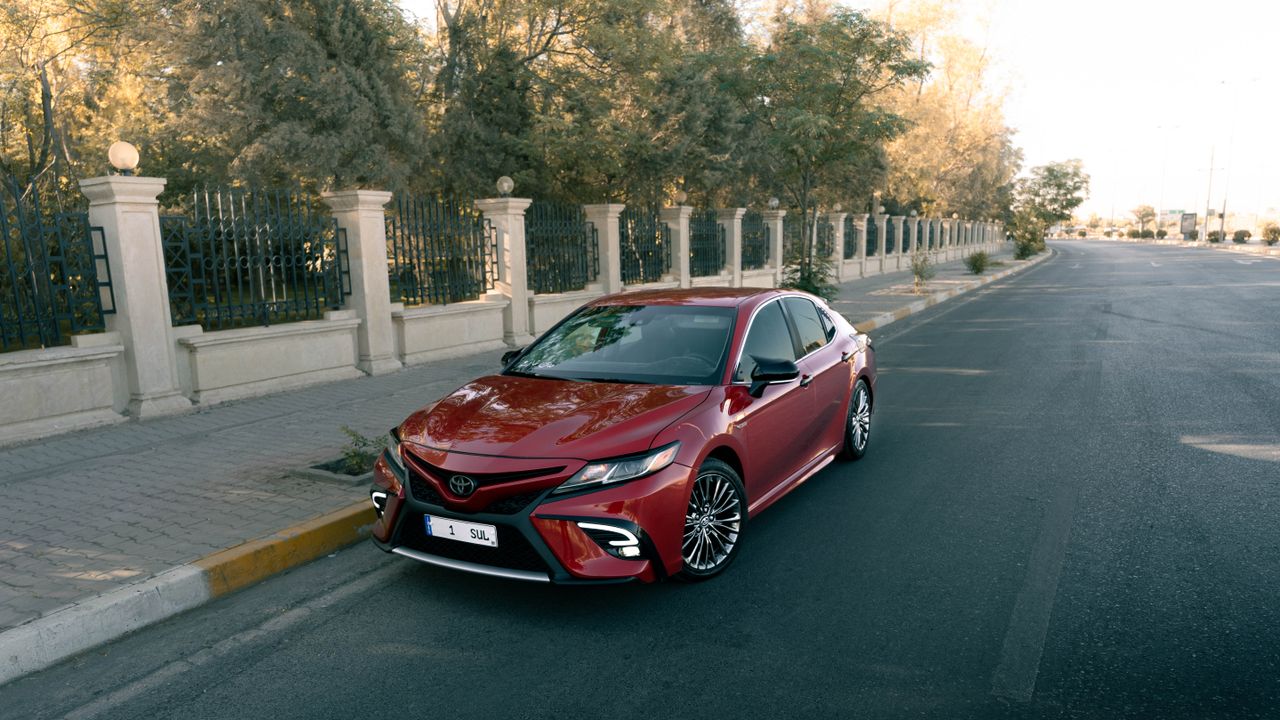
Summer Road-Trip Readiness: Bundle F&I Protection for Long-Distance Risks
Road-Trip

Turn Summer Road Trips Into F&I Wins

Summer road trips in Canada are hard on vehicles. Long highway stretches, construction zones, heat, and heavy loads all raise the odds of flats, breakdowns, and accidents far from home. July and August are when real driving risk and real coverage needs meet.

If your F&I pitch in July looks the same as it does in January, you are leaving money and customer satisfaction on the table. Winter stories about icy fenders do not hit the same as a family stuck on the Trans-Canada with two kids, a dog, and a trailer. The risk is different, so the menu should look different.

A simple, seasonal bundle built around extended warranty, roadside assistance, and rental or towing protection usually fits long-distance driving better than a pile of one-off products. One clear story is easier for customers to understand and easier for F&I teams to explain. It also lines up with how people actually use their vehicles in summer.

You can plug in protection products that make these bundles easy to build and easy to sell. Below is what to include, what to skip, and how to position it in your F&I menu without sounding like you are trying to scare anyone into saying yes.

Map Real Summer Driving Risks To Contract Terms

Think about the actual trips your customers talk about.

  • Alberta to BC for a family vacation  
  • Montreal to Cape Breton for a coastal tour  
  • Long-haul drives to university towns in late August  

Each of these trips comes with very clear risk points that map straight to product levers.

  • Mechanical failure far from home connects to extended warranty plus rental coverage. If a transmission fails halfway to Kelowna, the big pain is not only the repair, it is being stranded without a vehicle.  
  • Potholes, nails, and debris connect to Road Hazard. In many Canadian stores, Road Hazard claims get approved most of the time, often around the high eighties in approval rate, with typical payouts in the mid-hundreds. That is real money compared with buying a new tire or wheel roadside.  
  • An accident late at night on the Trans-Canada connects to towing distance, roadside response limits, and after-hours support. If the tow limit is too short, the real tow bill can shock people.

Many car dealer warranty programs have silent gaps in these areas.

  • Daily rental caps that do not match peak summer rental prices in tourist areas  
  • Towing limits of 20 or 40 kilometres when customers assume the tow truck will take them to the nearest helpful shop, even if that is a long highway run  
  • Coverage that excludes gravel roads or secondary highways that plenty of Canadians use to reach cabins, lakes, and campgrounds  

You do not have to guess where the risk is. Pull last summer’s claims and look for patterns. Which components failed on long trips? How far were the tows? How often did Road Hazard pay? This gives you a solid story that is based on your own store’s history, not on generic fear.

What To Include In A Summer Road-Trip Bundle

The cleanest way to present a summer bundle is as three simple pillars on the F&I menu.

1) Mechanical Protection  

Focus on the parts that fail hardest under heat and long mileage. That usually means:

  • Extended warranty that covers powertrain and common high-failure components  
  • Clear kilometre and time terms that match how long your typical road-trip buyer keeps a vehicle  
  • Coverage that you can explain in plain language without a legal dictionary  

2) Roadside, Towing, And Rental  

People worry most about being stuck.

  • 24/7 roadside assistance with clear towing radius and per-call limits  
  • Towing coverage that realistically fits highway distances between major Canadian cities, not just across town  
  • Rental reimbursement with daily caps that fit real summer pricing when cars are in high demand  

3) Trip Interruption And Financial Protection  

Trips fall apart when a breakdown becomes a hotel problem.

  • Trip interruption for hotel and food if a breakdown strands a family overnight away from home  
  • GAP or Financial Loss coverage for long-term finance customers who could total their vehicle on the road and still owe money  
  • Optional Job Loss coverage for buyers taking on bigger payments before a big summer drive  

A simple comparison table can help you explain it.

  • Scenario. 1 000 km summer trip  
  • Factory only. Basic warranty, short towing, limited roadside, no trip interruption  
  • Bundled protection. Extended mechanical coverage, towing that fits the route, rental, trip interruption, financial protection  

When you tie products like Road Hazard, Theft, and Financial Loss into a bundle built around “summer road-trip protection,” customers feel the logic. It sounds like planning, not upselling.

What To Exclude So Your Bundle Stays Lean

The fastest way to kill trust is to slap a “summer” label on a bloated package that includes everything on the shelf.

Think hard before you add:

  • Cosmetic dent, wheel, or paint products that do not trigger during the kind of breakdown you are talking about  
  • Long-term appearance protection that steals attention away from the travel story  
  • Add-ons with confusing exclusions that lead to chargebacks and unhappy calls later  

Set a simple rule for yourself:

  • Prioritise benefits that clearly trigger on a long highway drive or out-of-town stay  
  • Drop anything you cannot explain in 30 seconds with a clear “if this happens on the road, this is how it helps you” example  

Watch for pricing traps too:

  • Avoid stacking overlapping towing benefits from multiple providers  
  • Use a simple “good / better” ladder, not a busy grid of tiny add-ons that feel like mystery insurance  

A common mistake in car dealer warranty programs is trying to pack in so many niche protections that the customer cannot picture a single real use. If they cannot see it, they will not value it.

How To Pitch The Bundle In Your F&I Menu

Timing matters. Summer coverage should come up in June and July on almost every retail deal, especially used vehicles and higher mileage units. Ask about plans early. If a customer mentions a drive to Kelowna, it is natural to say, “Let us talk about what it looks like if the transmission fails in Kamloops.”

Structure your F&I menu so the choice is simple.

  • Factory coverage only  
  • Core extended warranty  
  • Road-trip bundle with warranty, roadside, rental or towing, and trip interruption  

Use plain labels that match real life, like “Stuck On The Side Of The 401” or “Family Hotel Night Covered.” Visual cues help people connect the dots.

Some scripting tips that keep things straight:

  • Lead with real claim averages and approval patterns, not with horror stories  
  • Be open about what is not covered so trust goes up and chargebacks go down  
  • Frame it as “Here are two smart options based on how you said you are going to drive” rather than “You need everything”  

Done well, this kind of menu structure lifts product uptake and customer satisfaction scores without adding much time to each deal. The story fits the season, so the decision feels natural.

Using Data To Fine-Tune Car Dealer Warranty Programs

Guessing at bundle design is expensive. It leads to:

  • High cancellation rates  
  • Products that sit on the menu and never get pitched  
  • Customers who feel coverage did not match how they actually drove  

You likely have the data you need already.

  • Pull the last 12 months of Road Hazard claims, and look at seasonal spikes and average payouts  
  • Track breakdown and tow locations to see how far people are really being towed  
  • Look at which coverages tied to Auto Shield products show the most summer usage and lean into those for your seasonal bundle  

Then adjust:

  • If most towing events run past your base kilometre limit, bump the standard summer bundle to a higher limit  
  • If trip interruption claims spike in July and August, move that benefit from a tiny line at the bottom of the menu to a key talking point near the top  

Use this data in the customer talk as well. A simple line like, “Here is what usually happens for our customers in July and August,” feels honest and grounded in real experience.

Get Your Store Summer-Ready This Week

You do not need a full program rebuild to get ready for peak road-trip season. Focus on a few big moves:

  • Design one or two tight summer bundles built on real highway risks  
  • Strip out add-ons that clutter the offer and confuse buyers  
  • Adjust your F&I menu layout so road-trip protection is front and centre in July and August  

A quick checklist for dealers and F&I managers:

  • Audit current car dealer warranty programs for towing, roadside, rental, and trip interruption gaps  
  • Align Auto Shield products like Road Hazard, Theft, Job Loss, and Financial Loss into simple, named packages  
  • Train sales and F&I staff on a few summer-focused questions to surface travel plans as early as possible  

This is about matching coverage to real Canadian driving patterns, from BC passes to Atlantic coastal runs. When you do that, customers feel protected, and the extra F&I revenue is a natural result of practical planning, not pressure.

Written By...

Boost Your Dealership Profit With Smarter Warranty Solutions

Explore how our car dealer warranty programs can generate reliable, recurring revenue while giving your customers better protection on every vehicle sold. At Auto Shield Canada, we work with you to tailor coverage, pricing and processes so they fit your existing sales and F&I flow. If you are ready to review options, compare models or get a custom proposal, simply contact us and we will walk you through next steps.

Industry Driven Insights

Join our newsletter to get the latest warranty industry updates in your inbox

Trending Articles

Ethical Extended Warranty Upsells for Dealerships: S...
When Extended Warranty Compliance in Canada Collides...
Summer Road-Trip Readiness: Bundle F&I Protectio...
Dealer Warranty Renewals: Red Flags in Rate Hikes, C...
Pricing Extended Car Warranty Plans Without Killing ...
Are Lifetime Warranties a Good Idea for Your Dealers...
5 F&I Strategies That Will Boost Your Dealership...
Mitigating Road Hazards: How to Keep Your Dealership...

related articles

Questioning Dealer Road Hazard Plans Before You Sell Them

Stop Selling Road Hazard Plans You Would Not Buy Yourself

Ask yourself a blunt question. If you were the customer, would you pay for your store’s current road hazard warranty with your own money?

If the honest answer is "no" or "it depends what they read in the fine print," you have a problem.

Every time a "covered" tire claim gets bounced on a technicality, you lose credibility. The customer does not blame the third-party provider. They blame your store, your F&I office, and your service drive.

The goal here is simple. Help you question weak road hazard plans before they drag down CSI, online reviews, and repeat business. Then you can fix what is broken and turn road hazard into a trust builder instead of a recurring headache.

Why this matters right now

May in Canada is peak tire season. Winter tires come off. Construction zones pop up everywhere. Families start planning long runs on the Trans-Canada and cottage trips. That is when road hazard is front and centre in a customer’s mind.

One denied claim in that moment can undo months or years of relationship building. The customer is stressed, their trip is at risk, and they are holding a contract that seems to say "no" when they thought it said "yes."

A good road hazard program works the opposite way. The tire is damaged. The claim gets approved. Your team handles it quickly. The customer leaves thinking, "That actually worked."

Before your next sales weekend, ask if your current road hazard warranty behaves like that in real life.

What you should demand from any road hazard plan

Coverage needs to match what actually happens on Canadian roads. Not just what sounds good in a brochure.

At a minimum, look for clear language around:

- Tire repair and replacement  

- Wheel repair and replacement  

- Damage from road debris  

- Pothole impact  

- Reasonable curb impact  

Red flags to watch for:

- "Cosmetic only" on wheels  

- "Impact excluded" wording  

- "OEM tires only" limits that kill claims after a tire swap  

In Auto Shield Road Hazard data, claim approval sits around 87% and the average paid claim is about $449. That tells you two things. Customers actually use the coverage. When a claim is paid, it matters to the customer’s wallet.

Coverage is only half the story. Your team needs to explain it in 30 seconds without sweating.

Try this three-question test with your F&I manager:

- What is covered, in simple terms  

- What are the main caps or limits  

- How does the customer make a claim, step by step  

If they cannot do that cleanly in half a minute, the product is too messy. Confusing tiers, strange radius limits, or "network-only" repair rules slow down the sale and trigger cancellations. A one-page summary that matches the contract, line by line, cuts a lot of friction.

Next, look at how the claim rules treat good customers. Ask yourself:

- Do they have to call a third-party call centre before anything is done, even at 11 p.m. on a holiday  

- Are there strict photo rules before the flat can be touched  

- Is there a hard "one claim per tire" rule that feels petty  

Fast, high-approval road hazard claims can turn grumpy drivers into loyal service customers. Slow, picky ones do the opposite.

Numbers you need before you pitch road hazard again

Many dealers sell road hazard without seeing the numbers behind it. That is risky.

Ask your current provider for three simple metrics:

- Claim approval rate  

- Average claim paid  

- Average time from claim to decision  

You can use Auto Shield Road Hazard results as a rough benchmark. Approval rates around 87 percent. Average claims around $449. Decisions that typically land the same day. If your program sits far below that, start asking why.

On your side, track a few basics in a spreadsheet:

- Model and trim  

- Tire and wheel size  

- Region or typical driving mix (city, highway, rural, gravel)  

- Contracts sold, claims used, and any goodwill write-offs  

This shows you if the math supports your pitch. For example, if the average claim is near $449 and you target a penetration rate around 40 percent of eligible deals, your F&I story gets easier. You are selling something people actually use.

Watch for red flags in your own performance:

- Approval rate dropping over time  

- Service advisors doing more goodwill "freebies" on tires  

- Reps needing to get "exceptions" approved more often  

Those are signs the product is not doing what your team thinks it does. Quarterly meetings with F&I, service, and accounting help line up what the provider promises with what you see on the ground.

Questions to ask your current provider

You do not need another glossy brochure. You need direct answers to direct questions.

On product and coverage, ask:

- What exclusions are my team going to be embarrassed to explain later  

- Are aftermarket wheels covered  

- Are low-profile tires covered  

- Is curb damage included, and in what cases  

Ask for a side-by-side comparison against a clear, dealer-focused program such as Auto Shield Road Hazard. You want to see real differences in coverage and limits. Push for answers on regional issues too, like gravel roads, construction zones, frost-heave potholes, and long winters.

On claims and support, request a walk-through of three real claim files:

- A simple nail repair  

- A bent rim on a pothole  

- A tire destroyed during a weekend road trip  

Then press them on timing:

- Average call wait time  

- Typical approval speed  

- Share of claims handled without any customer call  

Confirm if your service team can authorize up to a set dollar amount on the spot, with same-day reimbursement. That keeps customers focused on repairs, not call queues.

On pricing, profit, and compliance, ask:

- What penetration rate do you expect for our brand mix and market, and why  

- What are the maximum markups and how do they fit with provincial rules  

- How do cancellations and refunds work, in plain language  

- How often do you audit stores for fair pricing and sales practices  

You want a program you can explain and defend to a customer, a regulator, and your own team.

How road hazard fits with theft, job loss, and financial loss

Road hazard should not live alone on your menu. It fits beside theft, job loss, and financial loss products when you explain them as practical risk tools, not add-ons.

Simple examples your team can use:

- Flat tire on the Trans-Canada in July (road hazard)  

- SUV stolen from an urban condo parkade (theft protection)  

- Job loss six months after delivery (job loss coverage)  

- Loan shortfall after a total loss (financial loss product)  

A clear good / better / best layout works well. Road hazard often sits in the good spot as an easy yes, especially in Canada where roads, winters, and construction are hard on tires and wheels.

Common F&I bundling mistakes to avoid:

- Forcing every product into a single all-or-nothing bundle  

- Rushing through key exclusions in a 90-second script  

- Using jargon the customer will not remember once they leave the office  

Training should stick to plain language and local examples. Winter ruts. Sharp gravel on rural roads. Deep city potholes. Long-distance trips.

Seasonal timing matters too. Road hazard is a relevant offer as winter tires come off and summer trips ramp up in May and June. Theft protection may land harder in urban centres. Job loss and financial loss products feel more relevant when customers are worried about employment.

Upgrade your road hazard before your next sales weekend

You can run a quick road hazard audit in a single week:

- Read your current contract, front to back  

- Pull six months of claims and sort by approved, denied, and goodwill  

- Ask service advisors what they dislike or have to "explain away"  

- Scan recent reviews for complaints about tire and wheel coverage  

Give your current road hazard warranty a simple score on coverage clarity, claim speed, and customer reaction. Decide if small fixes with your current provider are enough, or if you need a different program.

For fast gains, focus on:

- Clearer coverage language that matches how your team sells  

- Faster, simpler claim approvals  

- One-page sales tools for F&I and service that match the contract  

Train your team on a straightforward script that sets honest expectations. The goal is fewer "I thought this was covered" blowups and more "That actually helped" moments.

If you sell theft, job loss, and financial loss products too, line everything up with the same style and claim rules. Auto Shield Canada follows that approach with programs like Road Hazard that are built to be simple to sell and straightforward to claim against.

In the end, the test is still the same. If you would not buy your current road hazard plan yourself, it is time to change what you are selling.

Protect Your Customers’ Tires And Boost Dealership Confidence

If you want to reduce unexpected repair costs for your buyers and strengthen long-term loyalty, our road hazard warranty for dealerships is built to support your team and your customers. At Auto Shield Canada, we help you offer clear, reliable coverage that adds real value to every vehicle sale. Speak with our team to explore flexible options that fit your dealership’s current process, or contact us today to get set up quickly.

Guide to Choosing the Right F&I Warranty Provider in Canada

Choosing the right F&I warranty provider directly impacts deal flow, claims efficiency, and long-term profitability.

Across Canada, dealerships have access to a wide range of warranty providers. The challenge is not availability—it is selecting a partner that supports your operations instead of introducing friction. The wrong provider slows down deals, complicates claims, and creates inconsistencies across departments. The right one strengthens your entire F&I process.


Start with How Your Dealership Actually Operates

Warranty programs should reflect how your dealership sells, not how they are packaged.

Evaluate:

  • Your inventory mix (new, used, high-kilometre vehicles)
  • Your deal structure (finance-heavy, lease returns, cash deals)
  • Recurring issues with your current provider

If your warranty setup does not align with these factors, it will create friction during both the sale and the claims process. The goal is not more coverage options—it is the right structure applied consistently.


What Defines a Reliable Warranty Provider

A strong provider is measured by how they perform in real dealership conditions.

Look for:

  • Consistent claims handling with minimal delays
  • Clear, transparent coverage terms that are easy to explain
  • Digital tools that reduce administrative workload
  • Responsive support that resolves issues quickly

Inconsistent claims processing is one of the most common reasons dealerships change providers. Speed and clarity matter more than product variety.


Avoid Choosing Based on Commission Alone

High commissions can make a program look attractive on paper, but they often mask deeper issues.

Common risks include:

  • Restrictive or unclear coverage terms
  • Limited transparency in reserve or profit-sharing structures
  • Conditions that are difficult to manage in real-world scenarios

A warranty provider is not just a revenue source. It is part of your post-sale experience. Weak coverage or slow claims processes will cost more in time and customer trust than they return in commission.


Ask Questions That Reveal Operational Reality

Before committing to a provider, focus on how the program functions day to day.

Ask:

  • Who manages claims, and how quickly are they processed?
  • What level of visibility do you have into reserves and reporting?
  • Can coverage be structured to match your inventory and deal types?

Clear, direct answers indicate a provider that understands dealership operations. Anything vague will likely become a problem later.


Align Coverage with Real Customer Needs

Warranty programs are more effective when they address situations customers immediately understand.

Coverage that focuses on everyday risks—such as tire and rim damage or minor unexpected repairs—is easier to present and more likely to be used. For example, protection like Road Hazard coverage can help address common driving issues that customers are already concerned about, making it easier to reinforce value during the F&I conversation.

When coverage aligns with real-world use, it supports both deal closure and long-term satisfaction.


Adapt to Seasonal Demand Without Slowing Down

Warranty performance should adjust with your dealership’s sales cycle.

During high-volume periods, such as spring trade cycles, your provider should support:

  • Faster processing and approvals
  • Flexible coverage across varied inventory
  • Consistent execution across departments

Programs that cannot adapt to these changes will slow down operations when timing matters most.


Build Long-Term Value Through the Right Partnership

The right F&I warranty provider does more than support individual deals. It improves how your dealership operates across sales, F&I, and service.

When structured correctly:

  • Coverage is easy to present and understand
  • Claims processes are predictable and efficient
  • Internal teams stay aligned from sale to service

This consistency reduces friction, improves customer experience, and supports repeat business.


How Auto Shield Canada Supports Dealerships

Auto Shield Canada provides dealer-focused F&I warranty programs designed to align with real dealership operations. With flexible structures, streamlined claims handling, and clear reporting, dealerships can improve efficiency while maintaining control over their warranty process.

👉 See how Auto Shield Canada supports dealerships with transparent, flexible F&I warranty programs.

Tips for Handling High-Mileage Inventory Without Coverage Gaps

High-mileage vehicles play an important role in used inventory. They are often more accessible for buyers and help dealerships move units that might otherwise sit longer on the lot. But without the right protection strategy, high-mileage inventory can create avoidable post-sale issues.

When coverage gaps exist, problems surface quickly: unexpected repair costs for buyers, increased pressure on service teams, and declining customer satisfaction. Once a vehicle exceeds standard mileage thresholds, having a structured coverage approach in place becomes essential.

Why Coverage Gaps Appear With High-Mileage Vehicles

Most coverage gaps are not caused by the vehicle itself. They occur when protection decisions are delayed or not addressed during the sale.

Common causes include:

  • Coverage discussions postponed until after delivery

  • Warranty programs that exclude higher-kilometre vehicles or rely solely on mileage caps

  • Reactive problem-solving after the first repair instead of proactive protection

Without defined options for high-mileage units, dealerships are left handling goodwill repairs and follow-up complaints—issues that could have been avoided earlier in the process.

What High-Mileage Wear Really Looks Like

As vehicles accumulate kilometres, wear shifts from cosmetic to mechanical. Even well-maintained units begin to experience increased part fatigue.

Typical high-mileage concerns include:

  • Suspension components such as shocks and struts losing effectiveness

  • Rubber seals, bearings, and joints deteriorating over time, especially in colder climates

  • Accelerated rim and tire damage due to seasonal road conditions

Buyers may not anticipate these issues at purchase. When the first problem arises, it often leads to service visits, additional costs, and frustration if coverage is unclear.

Using Protection Plans to Close the Gaps

Waiting until a breakdown occurs is not a strategy. Coverage discussions should begin before the sale—particularly once vehicles cross higher-kilometre thresholds.

Effective protection programs typically include:

  • Roadside assistance for breakdowns, flat tires, and battery issues

  • Rim and tire protection that reflects seasonal road conditions

  • Transferable coverage that adds value if the vehicle is resold

When integrated into F&I conversations, these plans reduce friction between the sale and long-term ownership.

Auto Shield Canada’s Road Hazard Protection, for example, addresses common road-related damage from the outset, with terms of up to 60 months and no deductible. This structure helps reduce unexpected complaints when seasonal conditions take a toll on wheels and tires.

Training Teams to Identify Coverage Risk Early

Mileage alone does not tell the full story. Environmental exposure and driving conditions can create hidden risks that do not appear on paper.

Strong processes include:

  • Checklists that flag signs of road wear, corrosion, or uneven tire wear

  • Training sales and F&I teams to link coverage recommendations to physical condition, not just kilometres

  • Using service history data to identify common repair patterns tied to mileage

When teams understand how mileage impacts real-world repairs, protection conversations become more relevant—and more effective.

The Business Case for Structured High-Mileage Coverage

High-mileage inventory does not have to slow sales or increase risk. With the right protection strategy in place, these vehicles can move confidently and consistently.

Clear coverage reduces post-sale friction, supports service operations, and improves buyer confidence. Customers remember when expectations are set properly—and when issues are resolved without surprises.

How Auto Shield Canada Supports High-Mileage Inventory

At Auto Shield Canada, we design protection programs that reflect how vehicles are actually driven, not just how they look on paper. Our coverage options help dealerships address real-world wear associated with higher kilometres and seasonal conditions.

When high-mileage vehicles are supported by the right protection from the start, dealerships reduce friction and deliver a better ownership experience.

👉 Explore protection programs designed to support high-mileage inventory.

READY TO GET STARTED?

Learn more about our leading Protection Programs.


Fill out the form below and we’ll be in touch!