
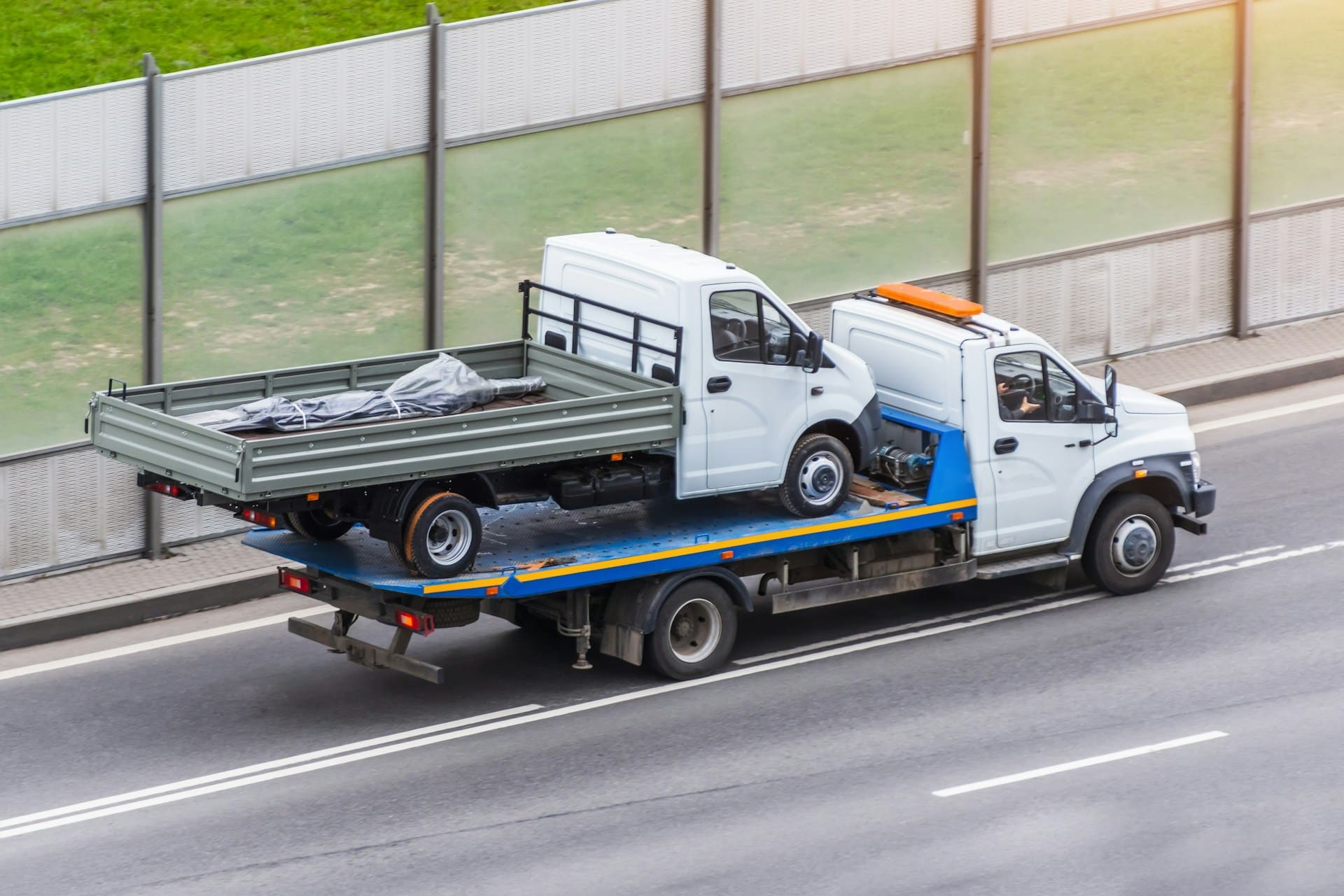
Cold mornings and tough commutes are hard enough. A flat tire or a dead battery can make things even harder. When that happens, the last thing any driver wants is to be stuck waiting, unsure of what to do next. That's where roadside assistance comes in. This type of coverage has quietly become a standard feature shoppers look for, especially during the colder months.
For dealership staff, showing the roadside assistance value proposition dealership customers actually care about takes more than just listing features. It means helping buyers picture that moment when their car won't start or when they're locked out in the snow. Then showing them how a simple call could change the outcome. That's real support, and it matters.
What Roadside Assistance Really Covers
Most buyers have heard of roadside help, but many don't know what it includes or how it works. It feels more like a nice-to-have until someone is actually stranded. That's when it becomes a lifeline. Let's break down what's typically included.
• Jump-starts for dead batteries, especially helpful during freezing mornings
• Tow truck service when the vehicle won't move at all
• Assistance with flat tires when there's no spare or the driver can't change it
• Lockout service if keys are locked inside
• Fuel delivery when the tank runs empty far from a station
These events never feel convenient. They often catch people off guard when there's an early snow, dark roads, or when they're trying to get to work, school, or daycare. Being able to make one call and know someone is coming puts people at ease quickly. Most buyers don't plan for breakdowns, but they still want a solution when it happens. And if they're far from home, having that support is more than helpful. It changes the whole experience.
A common misconception among car buyers is that these incidents are rare or unlikely to happen to them. But drivers who have experienced being stranded quickly realize the value of fast, reliable support. Knowing that a single call sets help in motion takes away some of the stress, especially in unpredictable weather or in challenging driving conditions. Sometimes, knowing that roadside assistance is just a call away makes drivers feel safer, especially on long road trips or when traveling late at night.
Why Peace of Mind Helps Sell the Vehicle
It feels good to know you're covered. That feeling is what many buyers pay attention to, especially new drivers or parents with kids.
• First-time buyers often worry about what might go wrong
• Families want to know someone will show up fast if needed
• Daily commuters count on their car every single day
When we include roadside assistance in the conversation, it reminds buyers we've thought ahead for them. It's protection that stays with them past the sale. And that matters. This isn't just about fixing a car. It's about helping someone avoid feeling stuck or alone. When customers know we're thinking about their day-to-day needs, they're more likely to trust what we're suggesting.
Buyers today want assurance that they are not left on their own if something unexpected stops their journey. Providing a straightforward solution to situations like a chilly morning jump-start or a flat tire at night can tip the scale between choices. It can be the one feature that makes buyers feel truly seen and understood. It sends the message that the dealership cares about the driver's whole experience, not just the transaction.
Talking Points That Work at the Dealership Level
Bringing up roadside assistance at the right moment during a sale can help connect on a real level. No one wants to picture the bad stuff, but it helps to be practical. These examples tend to stick:
• A flat tire on a winter night with kids in the back seat
• Locking keys in the car at a grocery store parking lot
• Heading home from work when the tank hits "empty" far from a station
It's also helpful to explain that many roadside plans follow the driver, not just the car. That means if they drive different vehicles, or someone else drives theirs, the help still shows up. That's the kind of backup people appreciate. Dealership staff should be comfortable sharing when roadside assistance applies and explaining how easy it is to use. That moment of real-world clarity can make a big impact.
Customers also appreciate hearing stories about how others have used their roadside coverage. Real-life scenarios illustrate the practical benefits and help customers relate the service to their own lives. Being authentic about what is covered and how it works encourages confidence in what the dealership offers. And it gives buyers a clear view of how the solution fits their daily routine.
When and How to Include Roadside Assistance in the Sales Process
There's a natural time to talk about protection plans. Roadside help fits well into those moments if you keep it simple.
• Mention it during F&I when bundling with other protection options
• Discuss it again during customer delivery or follow-up calls
• Keep the focus on solving small problems fast, before they become big disruptions
One of the best times to bring it up is when the buyer asks about long commutes, weekend trips, or helping out family. These conversations show where their concerns are. That's when roadside assistance becomes more than just a line on a form. It becomes part of how they drive with confidence.
Dealership staff can weave this topic into regular discussions about maintenance, reliability, and total cost of ownership. If a customer mentions a fear of being stranded or a previous negative experience, it's an ideal time to explain how roadside coverage would have provided a positive solution. Buyers don't need a long pitch. They just need to understand that support is ready when something goes sideways. Building this part of the conversation into the regular sales process makes the offer feel natural instead of like an afterthought.
In addition, by reinforcing the simplicity of accessing help, such as through a dedicated phone line or a mobile app, staff can assure customers that support will be accessible and user-friendly. That reassurance often eases concerns for less-experienced drivers or those new to this kind of service.
The Lasting Benefit of Being There When It Counts
Some parts of the sale fade over time, but roadside support tends to stand out when people need it most. That moment when a driver realizes they've got help on the way is one they don't forget.
Roadside assistance is a simple offer with a lasting effect. It turns tough situations into manageable ones. And when buyers remember being helped, they often come back to where that help started. It becomes part of their full ownership experience, not just a product. For dealerships, that kind of memory matters.
Buyers will tell friends and family about the time their dealership-backed roadside plan saved the day, building positive word-of-mouth and loyalty. The peace of mind that comes from knowing real help is available whenever it's needed is a powerful, lasting reason for drivers to stay connected with their dealership. Dealers strengthen their reputation not just on the sale, but on being there when it truly matters.
Disclaimer: This article is general information about vehicle protection products. It is not legal, financial, or insurance advice. Coverage terms, limits, and exclusions vary by plan, so review your contract or ask your dealership for details.
At Auto Shield Canada, we understand the critical need for reliable support when unexpected car troubles arise. That's why incorporating road hazard warranty for dealerships into your offerings can truly enhance your service and provide peace of mind for your customers. By partnering with us, you ensure that your clients have the support they need, building trust and confidence in your dealership. Let's strengthen the road ahead together, offering dependable protection that enhances the entire car ownership experience.
Industry Driven Insights
Trending Articles
related articles
Why the Finance Office Feels Like a Pressure Cooker
You think you are done once you shake hands on the car price. Then you get walked into the finance office and the conversation flips to forms, extra fees, and a fast pitch for protection plans. Your brain is tired. You want your keys. Suddenly you are deciding on long, expensive extended car warranty plans you do not really understand.
That pressure is not an accident. The more rushed you feel, the easier it is to say yes to a package that sounds safe but is fuzzy on details. You do not have to accept that. You can slow things down, ask sharp questions, and skip one big mystery bundle in favour of smaller, clearer coverage that fits how you drive in Canada.
What Extended Car Warranty Plans Actually Cover
An extended car warranty is usually a service contract that starts after the factory warranty ends. It can cover parts and labour for certain repairs, but it also comes with pages of exclusions, limits, and rules you are expected to follow. The idea sounds simple. The reality is often tricky.
Most plans fall into a few basic tiers:
- Powertrain only: engine, transmission, and a few major parts
- Mid-level: covers powertrain plus some electrical and mechanical items
- "Everything-except" style: long list of covered parts plus an even longer list of exclusions
Wear and tear items are often left out, things like brake pads, wiper blades, and many suspension components. The timeline can also be confusing. Say your car already has a 5-year or 100,000 km factory warranty, and the dealer offers an extra 3 years. The questions to ask are simple:
- Does the 3-year extension start now or after year 5?
- Is there a total kilometre cap?
- Will you even own the car that long?
If you tend to trade in every few years, you may be paying for years of protection the next owner will use, not you.
Common Finance Office Tactics to Watch For
Finance staff often work under strong targets, and that can shape how the pitch feels. Some common moves include:
- "Today only" price or "this has to be on the original contract"
- Bundling extended warranty, theft, road hazard, and more into one neat monthly payment
- Hinting that you are being reckless or cheap if you say no
Vague answers are a warning sign. If you ask "What is not covered?" and they wave at the contract instead of giving clear examples, slow down. If they will not show a sample contract or a simple coverage list, that is another red flag.
You can keep things calm and still be firm. Quick scripts you can use:
- "Please give me the full total for this plan, not just the change in payment."
- "I need the coverage sheet and a sample contract to read."
- "I am not deciding on this in 2 minutes. Let me read and then I will answer."
If the tone shifts when you say that, you learn something important about what you are being sold.
Extended Car Warranty Plans vs. Focused Protection
A large all-in extended warranty tries to cover a wide range of mechanical failures. Focused products aim at specific, real problems that hit Canadian drivers every season. Here is a simple comparison.
- Extended Warranty
- Broad mechanical focus
- Many exclusions and rules
- Overlaps with factory coverage for a while
- Road Hazard
- Targets tire and wheel damage from potholes, nails, and road debris
- Simple claim: something breaks, you fix it.
- Can pay off quickly if you drive in heavy construction or winter ruts
- Theft Protection
- Helps if the vehicle is stolen or broken into
- Often comes with ID marking and recovery support
- Job Loss Protection
- Steps in to cover payments for a period after a job loss covered by the contract
- Financial Loss (GAP) Protection
- Helps cover the gap between what you owe and what your insurer pays if the car is written off
Targeted products can be easier to understand in real life. Think of a spring pothole that bends a rim, a condo parkade break-in where wheels or parts go missing, or a layoff after your company restructures. Those are clear events with clear outcomes. That makes the value easier to judge.
What Actually Fails on Modern Cars
Modern vehicles are more reliable in some ways and more fragile in others. With regular maintenance, many engines and transmissions run well for a long time. The problems drivers report more often are:
- Electronics modules and sensors
- Infotainment screens and control units
- Advanced safety tech, cameras, and radar units
Fear-based pitches talk about "huge engine bills" and "total transmission failure" as if they wait around every corner. In reality, a lot of owners deal more with electrical faults, warning lights, and tech that needs reprogramming. That does not mean you should ignore risk. It does mean the plan you buy should match real failure patterns and list covered parts clearly.
In Canada, long commutes, rough winter roads, and salt exposure add stress. If a plan does not clearly name the components you are worried about, it is fair to question why you would pay for it.
Reading the Fine Print Without Going Cross-Eyed
You do not need to be a lawyer to scan the contract for 10 minutes. Focus on a few key sections:
- Exclusions, what they do not pay for
- Maintenance rules, what you must do and keep receipts for
- Claim limits per visit and maximum payout for the whole term
- Who underwrites the contract and who actually pays claims
Watch for red flags like:
- "Betterment" clauses, where they make you pay part of the repair because the car is "better" after
- Rules that say you must service only at one dealer
- Denial if you miss one oil change by a small amount
- Coverage that ends the day you sell or trade the car
Grab a pen, circle anything that worries you, and write questions in the margin. Ask the finance manager to explain each one in plain language. If the answers feel slippery, treat that as a sign to step back.
Seasonal Reality Check for Canadian Drivers
Buying in July feels sunny and safe, but the car has to live through the rest of the year. Across Canada, you see:
- Summer construction zones with loose gravel and deep cuts in the road
- Fall storms that scatter debris everywhere
- Winter ice, snow, and hidden potholes that wreck tires and wheels
That is where more focused products can line up better than a broad mechanical warranty. For example, a Road Hazard program with a high approval rate and an average claim around $449 can cover a damaged set of tires and rims quickly. Financial Loss (GAP) protection matters if you are financing with a small down payment and a write-off in bad weather would leave you owing more than the car is worth.
Think about a simple timeline. You buy in July, hit heavy road work in August, and by November you face deep ruts and frost heaves. A plan aimed at those specific risks can do more for you than a distant promise about engine repairs 7 years from now.
How to Decide in 10 Minutes or Less
When the pitch starts, pull out a quick mental checklist:
- Total cost of the plan, not just "only X per month"
- Length of coverage and how it overlaps with your factory warranty
- How many kilometres you drive each year
- How long you realistically keep cars
- How much cash you keep set aside for surprise repairs
From there, you usually land in one of three choices:
- Skip all add-ons, especially if the factory warranty already covers your main worry
- Choose one or two focused protections that match real risks, like Road Hazard, Theft, Job Loss, or GAP
- Take an extended plan only if the contract is clear, the price is transparent, and the parts you care about are named
"No" is always allowed. You can often buy similar protection later from providers that focus on clear terms and fast claims instead of quick upsells.
Take Control of the Warranty Conversation
You will likely face an extended car warranty pitch every time you buy a vehicle. Walk into the finance office expecting it, not surprised by it. Have a few questions ready on your phone, such as:
- "What are the top 5 things this does not cover?"
- "How many claims are approved on this product each year?"
- "What is the average claim amount and how long do payouts take?"
- "Can you show examples of Road Hazard, Theft, Job Loss, or GAP claims that helped drivers?"
Auto Shield Canada works with focused protection like extended warranties, Road Hazard, Theft, Job Loss, and GAP, and sees every side of these conversations. If you walk in with this outline as a checklist, take your time, and only pay for protection you can explain back in one short sentence, you keep the real power in that finance office.
Protect Your Vehicle And Budget With The Right Coverage
Choose peace of mind on every drive with Auto Shield Canada by exploring our tailored extended car warranty plans that suit your vehicle, mileage and budget. We take the time to walk you through your options so you only pay for coverage that truly fits your needs. If you have questions or want a quick quote, simply contact us and we will help you get started today.
Stop Believing Every Car Warranty Story You Hear
Car extended warranty myths spread fast. You hear them in the showroom, in the finance office, on TikTok, and in that one online forum that hates everything. Some of those stories are based on real problems, but many are half-true and can push you into bad choices.
Here is the honest middle ground. You do not have to buy the biggest plan to be smart. But skipping protection completely can hurt, especially with modern vehicles that are loaded with electronics and turbo parts.
Think about a used SUV with about 120,000 km on it. It feels solid, you take it on a summer road trip, then a surprise repair kills your whole vacation budget. One bad transmission issue, one failed infotainment screen, and your savings are gone.
This guide clears up common myths around car extended warranties and related protection. Then it shows you real examples you can measure, like Road Hazard, Theft, Job Loss, and Financial Loss. That way you can compare real risk to sales talk and decide what fits how you drive in Canada.
Myth 1: "A Car Extended Warranty Is Always a Scam"
This myth comes from real frustration. It usually starts in the last 10 minutes of a long buying day, when you get rushed through the finance and insurance office.
Common reasons people feel burned are:
- Plans pushed with pressure, not with clear explanations
- Coverage stuffed with extras that do not match how they drive
- Slow or confusing claim experiences that show up later online
Some plans are bad. Some are just wrong for the buyer. That does not mean every protection is fake.
A car extended warranty can make sense if you have:
- A high-tech vehicle with turbo, complex sensors, and big touchscreens
- A plan to keep the car long after the factory warranty ends
- A long highway commute, or lots of family trips every year
Repair work at Canadian shops is not cheap. Things like transmissions, AWD systems, and infotainment units often run into four figures once you add labour, fluid, and parts. One repair like that can be more than what you paid for coverage.
There are also clear red flags that tell you to walk away:
- Vague wording with no clean list of what is excluded
- No clear answer on who pays the claim and how the process works
- Pressure lines like “this price is only good if you sign right now”
If you see those, you are not being protected, you are being pushed. Trust that feeling.
You can also decide that you do not want any extended coverage at all. That can be reasonable if your car is newer, you drive low kilometres, and you keep a strong repair fund. The key is to choose based on facts, not on pressure or myths.
Myth 2: "All Car Extended Warranties Are the Same"
This idea is risky because it makes you stop reading the fine print. Factory coverage, aftermarket plans, credit card perks, roadside plans, and dealer bundles are all built in different ways.
Some only cover mechanical breakdown. Others add things like:
- Road Hazard protection for tires and rims
- Theft benefits on top of your insurance
- Job Loss help if your income changes
- Financial Loss support if you owe more than the car is worth
Each has its own limits, deductibles, and claim rules. Those details change the real value over the life of a car.
Here is an example based on Road Hazard style coverage. Programs like this often see an approval rate around 87 percent and an average claim near $449 for tires and rims. You can compare that to:
- The price of a single premium tire in Canada
- The cost of repairing or replacing a bent alloy rim after spring potholes
- The hassle of paying for a tow plus the repair when you hit debris at night
The difference gets real fast.
Job Loss and Financial Loss coverage matter most if you finance or lease. With higher interest rates and longer terms, it is common to owe more than the car is worth for a while. That is where a write-off from an accident or theft can leave you with a leftover balance that your standard insurance does not fully clear.
Here is a simple way to compare coverage types.
Extended mechanical warranty
- Covers engine, transmission, major components, and sometimes electronics
- Helps when parts fail from normal use, not from a crash
- Common gap: wear items like brakes and wiper blades are usually excluded
Road Hazard
- Covers damage to tires and rims from potholes, nails, and debris on the road
- Helps when you hit something on the highway or on a rough city street
- Common gap: cosmetic scuffs or curb damage are often not covered
Theft
- Covers extra benefits on top of your insurance if your vehicle is stolen
- Helps when you deal with fees, down payments, or replacement costs
- Common gap: people often think regular theft coverage automatically handles every extra expense
Job Loss
- Covers support with payments if you lose your job for a covered reason
- Helps when income suddenly drops and car payments stay the same
- Common gap: standard auto insurance does not touch your job status
Financial Loss
- Covers the shortfall between what you owe and what insurance pays if the car is written off
- Helps when you have a long loan or low down payment
- Common gap: many drivers think “full coverage” auto insurance will clear the full loan every time
Once you see the parts side by side, it is clear they are not the same product with different names.
You can also skip add-ons that do not match how you drive. For example, you might pick Road Hazard and decline a full mechanical warranty on a short lease. Or choose a mechanical plan and skip Job Loss help if your income is very secure.
Myth 3: "I Can Wait and Buy Coverage Anytime"
Timing changes both what you can buy and how much it costs. Many plans are tied to:
- Vehicle age
- Odometer reading
- Vehicle condition at the time of purchase
If you wait a year, you may face higher prices, shorter terms, or you may age the vehicle out of eligibility limits. Some programs only accept cars before a set km cap or model year cut-off.
There is also a protection gap when you delay. Road Hazard coverage, for example, works best when it is active from day one, because you do not control when that first nail on the highway shows up.
June buyers in Canada often feel relaxed. The weather is nice, the car feels fresh, and the winter drama is gone. But summer brings:
- Long highway drives, camping trips, and towing
- Construction zones with fresh gravel, screws, and broken pavement
- Deep potholes that were not fully fixed yet
Early failures can show up at any time, even on newer vehicles. Waiting “until later” often turns into “totally forgot” until you are staring at a repair quote.
A simple timing checklist:
- How long do you plan to keep this car
- How many kilometres will you drive each year
- Do you drive mostly city streets, rough rural roads, or long highway stretches
- Do you have enough savings to comfortably pay for a surprise repair
If you are a low km city commuter with a short lease, you may not need much. If you are a rideshare driver or the main family hauler for cross-country trips, the math changes.
You can buy early, buy later within limits, or skip coverage entirely. The key is to decide while you still have options, instead of after a breakdown.
Myth 4: "My Insurance Already Covers Everything"
Car insurance and protection plans play very different roles. Your standard auto policy is built to handle:
- Liability if you hurt someone or damage their property
- Collision repair after an at-fault crash
- Comprehensive events like theft, fire, hail, and sometimes vandalism
It does not usually pay for:
- A blown engine that fails from normal use
- Faulty electronics or a dead infotainment unit
- AC that quits in the middle of a heat wave
Extended protection can fill some of those gaps.
Here is how some extra protections help:
- Theft protection programs can add benefits like replacement allowances or help with fees that regular insurance does not always cover.
- Financial Loss protection can help cover the gap between what you owe and what your insurance payout is if the car is written off.
- Job Loss coverage helps with payments after a covered job loss, which your auto insurer does not touch.
- Road Hazard coverage helps with tire and rim damage from debris, which is often not part of a standard policy unless you claim under collision, and that can bring deductibles and rating changes.
Think about a few common scenarios:
- Your vehicle is stolen halfway through a long loan, and the payout does not fully cover your balance.
- You lose your job less than a year into a lease and need payment help while you look for new work.
- You hit a summer pothole, bend a low-profile rim, and shred a tire. The shop bill stings, and you find out your insurance is not set up to deal with that kind of single wheel damage without a painful deductible or premium hit.
Those are the gaps extended protections are designed to handle.
You can also decide to rely fully on your savings and basic insurance. That can work if your repair fund is strong and you are comfortable taking on those risks yourself.
Myth 5: “I’ll Never Use It, so It’s a Waste of Money”
Many confident buyers say this. The problem is that most people underestimate how pricey a medium repair can be.
Things that used to be simple are now complex assemblies:
- Modern headlight units with LEDs and auto-leveling
- ADAS sensors that support lane assist and emergency braking
- Even a basic transmission repair in a newer automatic
Once you add labour and programming, a single bill can be a lot more than you expected.
The idea behind a car extended warranty or any protection program is simple. You trade a maybe-big repair bill for a planned smaller cost. It is a risk trade.
Here is one real-world data point. On Road Hazard-type programs, approval rates can be around 87 percent with an average claim around $449. That means many people actually use the coverage, instead of only a tiny group.
Still, value is not only about claims. Some drivers only care about pure math. Others care about peace of mind on long trips, rough roads, or in tight money seasons. Both views are valid.
To decide if it fits you, ask yourself:
- Is your vehicle used or higher km, and do you plan to keep it longer than three to five years
- Could you comfortably pay a surprise $2,000 to $4,000 repair without touching rent, mortgage, or food money
- Do you prefer steady, predictable costs, or are you okay rolling the dice on larger but less frequent bills
There is no single right answer. The right plan depends on your comfort with risk and your cash cushion. For some people, that means full coverage. For others, it means a few targeted protections or none at all.
Smarter Questions to Ask Before You Say Yes or No
Here is how you keep control in the finance office and get past the myths.
Good questions to ask any provider or dealership:
- What is covered, and what is clearly excluded? Can I see it in writing?
- Who actually approves and pays claims? How long do claims usually take?
- Is coverage transferable if you sell the vehicle, and does that add resale value
Quick tips to avoid common F&I mistakes:
- Do not let the talk start with “it is only this much per month.” Ask for the total cost, including all fees and taxes.
- Compare at least two levels of protection, like a basic mechanical option plus Road Hazard or Theft, instead of a big pre-bundled package you do not understand.
- Say no to anything that cannot be explained in plain language. If it sounds fuzzy, it probably is.
Before your next visit to a dealer in Canada, make a short list:
- Must-haves based on your driving, like Road Hazard for rough roads, or Financial Loss if you have a longer loan
- Nice-to-haves if the price and terms feel fair
- Clear “no thanks” items that do not fit your situation
You can treat early summer as a reset point. New trips, fresh construction zones, and changing repair costs are real. With solid questions and a clear head, you can ignore the myths and pick protections that match how you drive.
Protect Your Vehicle And Budget With Confidence
Keep your vehicle on the road longer with coverage designed to handle costly, unexpected repairs before they impact your budget. At Auto Shield Canada, we offer a flexible car extended warranty that helps you avoid surprise bills and drive with peace of mind. If you have questions or want help choosing the right coverage, simply contact us and our team will walk you through your options.
Whether you're a dealership looking to offer more to your customers or a car owner seeking peace of mind, mobile service warranty programs are becoming an important part of vehicle purchase considerations. These programs bring added convenience by extending service and repair options to the customer’s location. As more car owners seek simple, worry-free solutions, dealerships are responding with programs that improve satisfaction and long-term loyalty.
Mobile service warranty programs allow customers to continue driving with confidence without needing to leave the comfort of their home for service appointments. By offering coverage that includes at-home repairs, dealerships can stand out and build closer ties with customers. This article introduces the features and benefits of these programs and explains why they’re a smart addition to any dealership’s offerings.
Understanding Mobile Service Warranty Programs
At a basic level, mobile service warranty programs allow drivers to access maintenance and repairs wherever they are, whether at home, work, or even on vacation. Unlike traditional warranties that require a visit to a service centre, these programs reverse that model by bringing qualified technicians directly to the vehicle owner.
Consumers today value solutions that save time and reduce stress. Getting repairs done without visiting a dealership is a welcome change for many. It eliminates the need to arrange alternate transportation, wait in line, or lose an entire afternoon to service appointments. For dealerships, this shift to mobile service represents a chance to meet rising expectations and deliver better service with more flexibility.
Common characteristics of these programs include:
1. On-site inspections and repairs for both minor and major issues.
2. Emergency support available 24/7 in many cases.
3. A broad range of coverage tailored for different vehicle types and owner needs.
4. Customizable scheduling, allowing work to be completed when it best fits the customer's day.
As personal schedules grow busier, options like mobile service are seen not as luxuries, but as necessary conveniences. Dealerships that prioritize this kind of support put themselves in a better position to retain customers and earn future business.
Key Features of Mobile Service Warranty Programs
Mobile service warranty programs offer a host of services that go beyond standard protection. What gives them an edge is the flexibility in how, when, and where assistance is delivered to the customer. This is in contrast to traditional warranties that often depend on service centre visits.
Here are some common ways mobile service warranties outperform standard plans:
1. Comprehensive repair and maintenance coverage that eliminates the need for towing in many cases.
2. Full integration with mobile technology, keeping communication smooth and service status updates timely.
3. Packages that can be adjusted to align with customer driving style, vehicle model, or budget.
Incorporating features like real-time GPS tracking or app-based appointment updates not only meets current expectations but also keeps dealerships viewed as modern, tech-savvy businesses. These features highlight a customer-first attitude that rewards loyalty and leads to glowing reviews.
By offering these services, dealerships can provide a more personalized experience. Whether someone needs a basic inspection or a quick fix, the ability to get it done from their driveway can change how they feel about vehicle upkeep. Ease and simplicity have lasting impact—and those details are what customers remember.
Benefits for Dealerships
For dealerships, adopting mobile service warranty programs creates meaningful advantages that go far beyond convenience. Offering this kind of service enhances how customers experience your dealership and builds confidence in your brand.
One of the strongest benefits is improved customer retention. When people can solve vehicle problems without rearranging their day, they’re far more likely to keep coming back. That loyalty often becomes a deciding factor in future sales, recommendations, and long-term relationships.
Dealerships can also use these programs to open new revenue streams. Whether included in the price of a vehicle or sold as an add-on, these plans enhance the value of each sale. They also allow for upselling more advanced service packages based on driver habits or vehicle needs.
Another benefit is brand reputation. Offering mobile service shows that your team is thinking ahead and prioritizing convenience. Whether someone’s working from home or managing a busy family schedule, removing friction from the service experience stands out in a big way.
More dealerships are looking for ways to set themselves apart, and offering mobile service is an approach that adds immediate value without sacrificing quality.
Current Trends in Mobile Service and F&I
The mobile service space is moving quickly, with new tools and trends shaping dealership operations. One of the major developments is the increased use of mobile service in finance and insurance (F&I) programs. Including at-home repair protection in F&I solutions brings a major selling point straight to the closing desk, creating more package appeal.
Dealerships are also exploring tools that let customers schedule, approve, and track repairs digitally. This level of control brings a level of clarity that many customers now expect. Automatic updates, technician arrival tracking, and post-service reporting all contribute to a smooth process and clear communication.
At-home repair protection is also growing in popularity. As more people work remotely or juggle unpredictable schedules, mobile repair becomes less of a bonus and more of a requirement.
By building these features into their packages, dealerships show a clear understanding of customer routines and preferences. It’s not only about adding technology but about making service easier and more personal every step of the way.
Choosing the Right Partner for Mobile Service Warranties
Choosing a mobile service partner is one of the most important decisions a dealership can make when implementing these warranty programs. The right partner helps shape your customer experience and directly impacts satisfaction, loyalty, and brand perception.
Look for a provider with a track record of success and flexibility in their offerings. Ideally, their values should align with yours, empowering you to create solutions for a wide variety of customer types. Review their administrative process, service timelines, customer support access, and whether their service team can deliver consistently high-quality experiences.
Strong communication is just as important. You’ll want real-time feedback on service performance and the ability to collaborate closely when introducing new features, policies, or coverage extensions.
Auto Shield Canada brings years of experience in warranty programs and claims administration to help dealerships launch and maintain high-performing service strategies. With customizable package options and personalized support, they serve as a reliable foundation for any mobile service strategy.
Why Your Dealership Should Consider This Approach
Adding mobile service warranty programs is not just about offering a new perk. It shows your dealership is focused on making life easier for your customers in real and meaningful ways. By reaching them where they are, saving them time, and offering flexible support, you set the tone for a relationship built on trust and reliability.
These programs tap into growing consumer demand for convenience, transparency, and better control over vehicle servicing. When delivered by a helpful, well-trained partner, the results are long-term customer loyalty and a business model ready for what’s next.
Encouraging your clients to take the leap with mobile service shows that your dealership doesn’t just sell vehicles—it supports every stage of ownership with real care and commitment.
Disclaimer: This article is general information about vehicle protection products. It is not legal, financial, or insurance advice. Coverage terms, limits, and exclusions vary by plan, so review your contract or ask your dealership for details.
If your dealership is looking for ways to offer more convenience to your customers, incorporating mobile service warranty programs dealership strategies can make a big difference. Auto Shield Canada offers reliable support and flexible solutions that help you provide easier, more customer-focused service from the start. These programs can upgrade your approach to service and strengthen long-term customer relationships.
Disclaimer: This article is general information about vehicle protection products. It is not legal, financial, or insurance advice. Coverage terms, limits, and exclusions vary by plan, so review your contract or ask your dealership for details.