
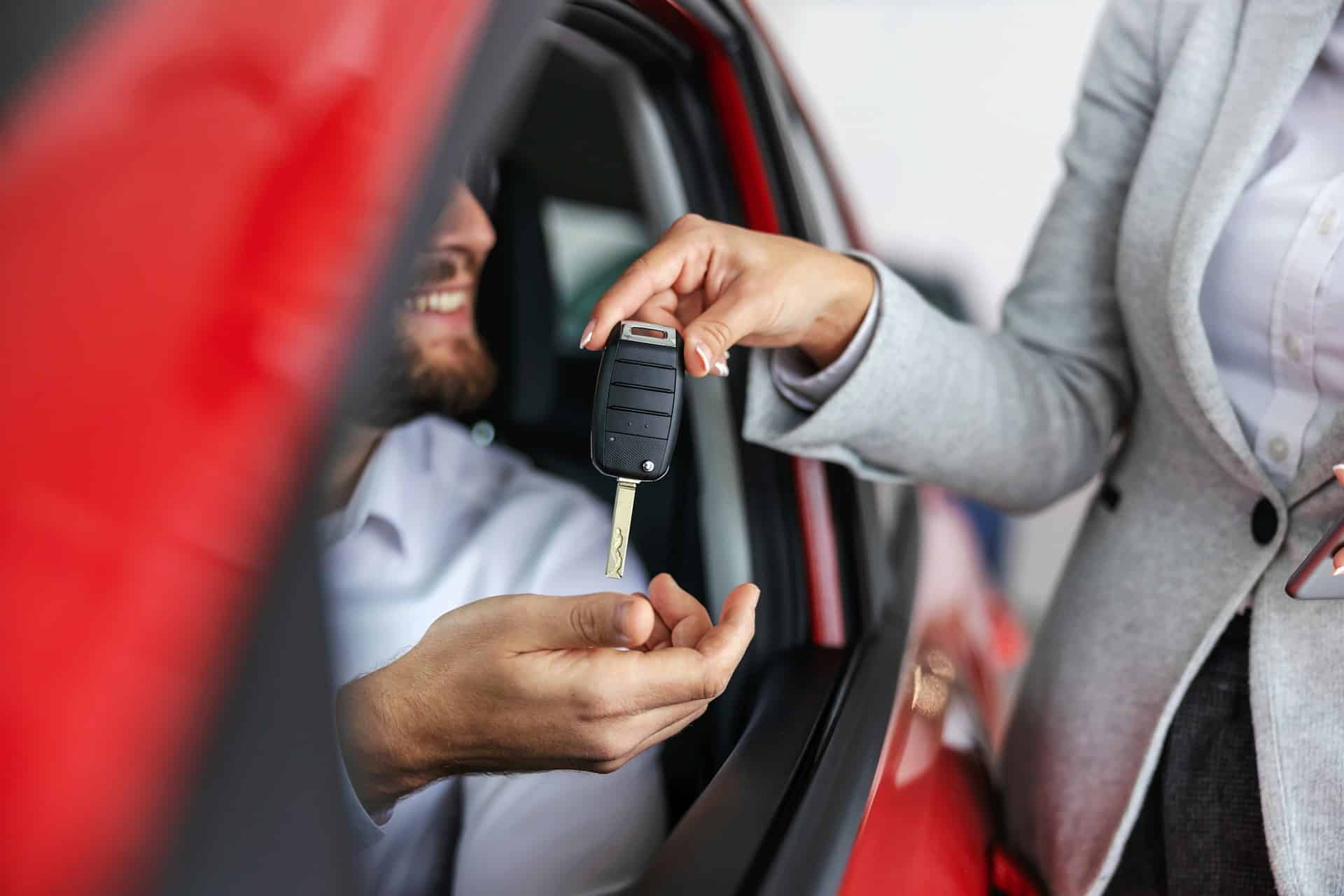
Selling coverage plans like warranty and GAP together can simplify processes for both your team and your customers. Bundling these options streamlines the F&I office and can lead to better outcomes for everyone involved. While many dealerships offer both warranty and GAP coverage, not all combine them effectively during the sales process.
If your sales team understands how to present warranty and GAP bundles clearly, it can positively influence buyer responses. The goal isn’t about pushing extras; it’s about making the protection conversation smoother and more beneficial. In this post, we’ll explore how to bundle warranty and GAP successfully and why doing it well supports better F&I performance without adding complexity.
How Bundling Makes the Sales Process Easier
When a customer arrives in your F&I office, they’ve already discussed financing, features, and payments. This is where a package deal like a warranty and GAP bundle can make a real difference.
• Bundling reduces the time spent explaining each plan individually. Instead of offering each plan separately, you present one bundled solution that protects against multiple risks.
• The bundle helps buyers understand their options more quickly. When plans are grouped together logically, they feel less like extras and more like part of the overall package.
• Warranty and GAP protection cover two different concerns customers often have. Warranty helps with repairs if something goes wrong with the vehicle. GAP helps when a car is written off or stolen, and there’s a loan gap. Combining these addresses two major “what ifs” in a comprehensive way.
Bundles can make the process less stressful and help buyers feel like they’re addressing important concerns efficiently.
Timing the Bundle Conversation for Best Results
Knowing when to introduce the bundle is as important as how you present it. The F&I handoff is a natural point in the customer’s journey when they’re still considering protection options.
• Introducing a warranty and GAP bundle early during the F&I conversation maintains momentum. Instead of starting from scratch, your team builds on what’s already been discussed.
• It’s beneficial when the topic arises before F&I, during earlier touchpoints like a service advisor chat or a monthly payment quote. This helps customers become familiar with the idea.
• Training your staff with dealership F&I bundling tips ensures consistency. When the handoff is smooth and the message is clear, customers are more likely to trust the process.
When customers hear about the bundle early and often, and the message feels natural, acceptance increases, and conversations become more relaxed.
Common Pitfalls Dealerships Should Avoid
While bundles can be effective, certain mistakes can deter customers or complicate internal processes.
• Don’t overlook explaining what’s included. Many people don’t fully understand what a warranty or GAP covers. Keeping explanations simple ensures everyone is on the same page.
• Avoid offering too many choices at once. If a buyer is already uncertain, adding more options can overwhelm them. Focus on one clear bundle that suits their needs.
• Always adhere to proper rules and disclosures. Even well-intentioned shortcuts can lead to issues later if something is omitted or paperwork isn’t completed correctly.
Getting bundles right isn’t just about sales; it’s about setting things up properly to avoid surprises after the sale.
What to Look For in a GAP and Warranty Partner
Having the right support behind your bundled offers can make a significant difference. Not all plans and providers are created equal.
• A good partner will simplify paperwork and claims. Clear forms, fast response times, and bundled claim processing keep your office running smoothly.
• Look for a third-party administrator that focuses on support, not bureaucracy. When your team has questions, you’ll want quick answers and reliable assistance.
• Trustworthy partners offer flexible contracts that align with your systems and sales approach. That flexibility allows you to offer bundles without making your process feel constrained.
If bundles are part of your sales strategy, ensure the partner behind them empowers your staff to work confidently and clearly.
Why Simplicity Builds Customer Trust and Dealer Success
A key aspect of getting this right is respecting your customer’s time and focus. During the F&I stage, many buyers are tired or uncertain. That’s when simplicity is most effective.
• Offering a single, combined bundle with the two most useful protection plans gives buyers one clear decision without overthinking.
• Warranty and GAP bundles address common concerns customers already have, protecting their car now and their finances later. Covering both in one message helps them decide more easily.
• When bundles are presented clearly and tied to real-life examples, people trust the offer more. Dealerships see stronger attachment rates not because of sales tactics, but because the offer makes sense.
Keeping things simple often leads to better satisfaction and repeat visits in the future.
Building Confidence in F&I Bundles That Work
When our sales team knows how to build and present bundles the right way, everyone benefits. It’s not about pushing more options; it’s about offering clear protection that customers understand and value.
Warranty and GAP protection work well because they address common fears new vehicle buyers have. When those concerns are answered clearly, and the process feels smooth, deals move faster, and customers leave feeling supported.
A strong bundle plan, backed by training, timing, and trustworthy support, helps us meet more buyers where they are and guide them forward with confidence.
Disclaimer: The information provided in this article is intended for illustrative purposes only and should not be considered as actual insurance advice. Our articles offer insights and general guidance on various insurance topics; however, they do not substitute professional advice tailored to your specific circumstances. For expert, personalized insurance advice and solutions, please contact our licensed insurance brokers.
At Auto Shield Canada, we help dealerships create smoother F&I experiences by making it simple to present strong protection options to customers. When clients know exactly what’s included and feel confident in their coverage, your entire process moves faster and leaves everyone more comfortable. Offering smart protection from the outset, such as a clear and practical bundle warranty GAP sales dealership plan, sets clear expectations and strengthens long-term trust. Ready to make bundling an everyday part of your sales strategy? Our team is here to help you take the next step; reach out to discuss the right plan for your dealership today.
Industry Driven Insights
Trending Articles
related articles
Whether you're a dealership looking to offer more to your customers or a car owner seeking peace of mind, mobile service warranty programs are becoming an important part of vehicle purchase considerations. These programs bring added convenience by extending service and repair options to the customer’s location. As more car owners seek simple, worry-free solutions, dealerships are responding with programs that improve satisfaction and long-term loyalty.
Mobile service warranty programs allow customers to continue driving with confidence without needing to leave the comfort of their home for service appointments. By offering coverage that includes at-home repairs, dealerships can stand out and build closer ties with customers. This article introduces the features and benefits of these programs and explains why they’re a smart addition to any dealership’s offerings.
Understanding Mobile Service Warranty Programs
At a basic level, mobile service warranty programs allow drivers to access maintenance and repairs wherever they are, whether at home, work, or even on vacation. Unlike traditional warranties that require a visit to a service centre, these programs reverse that model by bringing qualified technicians directly to the vehicle owner.
Consumers today value solutions that save time and reduce stress. Getting repairs done without visiting a dealership is a welcome change for many. It eliminates the need to arrange alternate transportation, wait in line, or lose an entire afternoon to service appointments. For dealerships, this shift to mobile service represents a chance to meet rising expectations and deliver better service with more flexibility.
Common characteristics of these programs include:
1. On-site inspections and repairs for both minor and major issues.
2. Emergency support available 24/7 in many cases.
3. A broad range of coverage tailored for different vehicle types and owner needs.
4. Customizable scheduling, allowing work to be completed when it best fits the customer's day.
As personal schedules grow busier, options like mobile service are seen not as luxuries, but as necessary conveniences. Dealerships that prioritize this kind of support put themselves in a better position to retain customers and earn future business.
Key Features of Mobile Service Warranty Programs
Mobile service warranty programs offer a host of services that go beyond standard protection. What gives them an edge is the flexibility in how, when, and where assistance is delivered to the customer. This is in contrast to traditional warranties that often depend on service centre visits.
Here are some common ways mobile service warranties outperform standard plans:
1. Comprehensive repair and maintenance coverage that eliminates the need for towing in many cases.
2. Full integration with mobile technology, keeping communication smooth and service status updates timely.
3. Packages that can be adjusted to align with customer driving style, vehicle model, or budget.
Incorporating features like real-time GPS tracking or app-based appointment updates not only meets current expectations but also keeps dealerships viewed as modern, tech-savvy businesses. These features highlight a customer-first attitude that rewards loyalty and leads to glowing reviews.
By offering these services, dealerships can provide a more personalized experience. Whether someone needs a basic inspection or a quick fix, the ability to get it done from their driveway can change how they feel about vehicle upkeep. Ease and simplicity have lasting impact—and those details are what customers remember.
Benefits for Dealerships
For dealerships, adopting mobile service warranty programs creates meaningful advantages that go far beyond convenience. Offering this kind of service enhances how customers experience your dealership and builds confidence in your brand.
One of the strongest benefits is improved customer retention. When people can solve vehicle problems without rearranging their day, they’re far more likely to keep coming back. That loyalty often becomes a deciding factor in future sales, recommendations, and long-term relationships.
Dealerships can also use these programs to open new revenue streams. Whether included in the price of a vehicle or sold as an add-on, these plans enhance the value of each sale. They also allow for upselling more advanced service packages based on driver habits or vehicle needs.
Another benefit is brand reputation. Offering mobile service shows that your team is thinking ahead and prioritizing convenience. Whether someone’s working from home or managing a busy family schedule, removing friction from the service experience stands out in a big way.
More dealerships are looking for ways to set themselves apart, and offering mobile service is an approach that adds immediate value without sacrificing quality.
Current Trends in Mobile Service and F&I
The mobile service space is moving quickly, with new tools and trends shaping dealership operations. One of the major developments is the increased use of mobile service in finance and insurance (F&I) programs. Including at-home repair protection in F&I solutions brings a major selling point straight to the closing desk, creating more package appeal.
Dealerships are also exploring tools that let customers schedule, approve, and track repairs digitally. This level of control brings a level of clarity that many customers now expect. Automatic updates, technician arrival tracking, and post-service reporting all contribute to a smooth process and clear communication.
At-home repair protection is also growing in popularity. As more people work remotely or juggle unpredictable schedules, mobile repair becomes less of a bonus and more of a requirement.
By building these features into their packages, dealerships show a clear understanding of customer routines and preferences. It’s not only about adding technology but about making service easier and more personal every step of the way.
Choosing the Right Partner for Mobile Service Warranties
Choosing a mobile service partner is one of the most important decisions a dealership can make when implementing these warranty programs. The right partner helps shape your customer experience and directly impacts satisfaction, loyalty, and brand perception.
Look for a provider with a track record of success and flexibility in their offerings. Ideally, their values should align with yours, empowering you to create solutions for a wide variety of customer types. Review their administrative process, service timelines, customer support access, and whether their service team can deliver consistently high-quality experiences.
Strong communication is just as important. You’ll want real-time feedback on service performance and the ability to collaborate closely when introducing new features, policies, or coverage extensions.
Auto Shield Canada brings years of experience in warranty programs and claims administration to help dealerships launch and maintain high-performing service strategies. With customizable package options and personalized support, they serve as a reliable foundation for any mobile service strategy.
Why Your Dealership Should Consider This Approach
Adding mobile service warranty programs is not just about offering a new perk. It shows your dealership is focused on making life easier for your customers in real and meaningful ways. By reaching them where they are, saving them time, and offering flexible support, you set the tone for a relationship built on trust and reliability.
These programs tap into growing consumer demand for convenience, transparency, and better control over vehicle servicing. When delivered by a helpful, well-trained partner, the results are long-term customer loyalty and a business model ready for what’s next.
Encouraging your clients to take the leap with mobile service shows that your dealership doesn’t just sell vehicles—it supports every stage of ownership with real care and commitment.
Disclaimer: The information provided in this article is intended for illustrative purposes only and should not be considered as actual insurance advice. Our articles offer insights and general guidance on various insurance topics however, they do not substitute professional advice tailored to your specific circumstances. For expert, personalized insurance advice and solutions, please contact our licensed insurance brokers.
If your dealership is looking for ways to offer more convenience to your customers, incorporating mobile service warranty programs dealership strategies can make a big difference. Auto Shield Canada offers reliable support and flexible solutions that help you provide easier, more customer-focused service from the start. These programs can upgrade your approach to service and strengthen long-term customer relationships.
Disclaimer: The information provided in this article is intended for illustrative purposes only and should not be considered as actual insurance advice. Our articles offer insights and general guidance on various insurance topics however, they do not substitute professional advice tailored to your specific circumstances. For expert, personalized insurance advice and solutions, please contact our licensed insurance brokers.
Why Warranty Sales Get Lost at Delivery
The transition from buying the car to talking about a warranty is one of the busiest parts of the process, loaded with documents, signatures, and quick explanations. By the time buyers get to the F&I office, most are in information overload. If the warranty offer gets rushed or skipped, it is no surprise when buyers say no. These small slip-ups add up, causing real warranty sales challenges at the dealership.
Sometimes, it is the speed that trips things up. F&I managers might try to hurry through the options, thinking it helps customers get on the road faster. But if the value of a warranty is not explained in a calm, real conversation, buyers rarely feel comfortable saying yes.
Another big miss is skipping a good handoff from sales to F&I. If sales staff do not set up the warranty talk or leave a cold handoff, buyers lose confidence. When trust drops, F&I attach rates drop too.
Every buyer deserves an F&I experience that is not rushed. Taking the time for a smooth, supportive transition means buyers hear why coverage matters, not just that it is available.
Warranty Offers That Don't Match Today's Customer
Expectations in dealerships have changed. Customers now do more homework and come in wanting protection that matches real life. If the F&I menu is full of outdated or generic offers, it feels disconnected. Buyers who spot a one-size-fits-all plan usually say no, feeling it is just another upsell.
Pushy or unclear offers do not build confidence. People pick up on scripted talk or when every plan gets presented the exact same way. They want honesty and the space to choose. When the options cannot be customised or do not fit their driving habits, shoppers turn down the coverage. They are not avoiding protection—they just want the plan to fit their needs.
A menu that still looks the same as it did years ago will not connect with a buyer who expects flexible, easy-to-follow options. Giving customers real power to pick between levels or packages helps make the offer more personal and much easier to accept.
How Dealership Teams Can Break the Pattern
If warranty sales are lagging, it does not mean buyers lost interest in coverage. It usually means the way it is explained does not work for today's crowd. Internal team training is where things start to improve.
Sales and F&I staff need to know the common points where trust and connection get lost. That starts with listening instead of rushing, using stories instead of checklists, and thinking of the warranty as a fix, not a hassle.
Teams should point out how warranty coverage solves real-world problems, even the ones customers are not thinking about yet. This is where plain language and simple examples make a difference. A buyer in a hurry does not want a page of fine print. They want to know someone will help when problems come up, like how Road Hazard Protection makes dealing with unexpected tire or rim issues simple and fast.
Storytelling is a big help. Rather than a list of features, a real example—like a driver surprised by a rock chip during a road trip—shows how a warranty comes through. This relaxed style lowers the pressure and makes attachment easier.
Support from dealership leaders helps everyone on staff stop sounding like sales scripts and instead focus on making buyers feel cared for.
Tools That Can Make Warranty Sales Easier Right Now
Improving the F&I process does not have to be a full overhaul. Sometimes, it is about making the menu clearer and easier to follow. When buyers can see both what is offered and how it helps, they stay interested.
A modern menu, like the ones supported by Auto Shield Canada, presents the warranty as part of a suite of practical choices for vehicle ownership and repair anxiety, not just a sidebar. When shown without pressure, it puts buyers in control and makes them more likely to accept.
Following up post-sale is smart. Not every buyer can make a choice under the lights and rush of delivery day. A supportive email a few days later lets people think in peace and makes them more likely to say yes when ready.
Working alongside a third-party program provider is another smart step. It cuts the extra admin for dealership teams and makes the customer experience smoother. People can call a team for support if coverage questions pop up, knowing they are talking to a real person who understands protection details. The less hassle buyers and staff feel, the more trust builds in both directions.
A Better Warranty Process Builds Stronger Long-Term Results
Most customers want to protect their new ride—they are just sometimes confused by the pitch or stressed by the pressure. The real warranty sales challenges at a dealership can be fixed quickly by spotting where things slow down or fall flat. Maybe it is the handoff, maybe it is the menu, or maybe it is the way benefits are explained.
A steady, simple process built on trust leads to higher acceptance now and into the future. When buyers feel steady guidance from delivery to follow-up, they are more likely to return for their next vehicle and stay loyal to your team.
When the warranty process supports customers without making them feel pushed, it does more than boost sales. It turns first-time buyers into repeat customers and makes every option on the menu easier to present.
Disclaimer: The information provided in this article is intended for illustrative purposes only and should not be considered as actual insurance advice. Our articles offer insights and general guidance on various insurance topics however, they do not substitute professional advice tailored to your specific circumstances. For expert, personalized insurance advice and solutions, please contact our licensed insurance brokers.
Transforming your dealership's warranty sales approach has never been easier. With Auto Shield Canada, you can access custom warranty solutions for dealerships that align perfectly with your customers' needs. Start building trust and see the positive impact on your bottom line today. Contact us to learn how we can help make warranty options more appealing and easier for your team to present.
Building an F&I menu for dealerships does not need to be complex. When you set it up right, your menu becomes a guide, making the sales process easier for both your team and your buyers.
A clear menu shows options without hidden surprises or pressure. It lets people find value, see what fits their routine, and decide for themselves. If your team can talk through each item without getting tripped up, approvals and trust go up. Here is how to make your menu do most of the selling for you.
Know Your Buyers and What Matters to Them
People's habits have changed, and that shapes how they think about protection. Today’s buyers are increasingly focused on plans that save time, give flexibility, and provide concrete value. They expect protection to match their real life.
For the menu to work, it needs to line up with what drivers care about every day:
- Worries about missing payments after a job loss, where a program like Job Loss Protection helps take the edge off.
- Dents and nicks from road hazards—something programs like Road Hazard and Tire & Rim Coverage can address.
- Keeping the car looking new, something Appearance Protection or coatings like P2 GRAPHENE PURE have set out to do.
If the menu lines up with common problems, buyers see why each item could make sense and your team becomes a partner rather than a salesperson.
Keep the Menu Simple and Direct
The easier it is to read, the faster buyers find choices that match what they care about. Group protection options into categories that make sense in daily life.
Use clear names like:
- "Wear and Tear Help" instead of "Lease Wear Coverage"
- "Back-Up for Big Surprises" instead of "GAP Protection"
- "Shield for Scrapes, Scuffs, and Stains" for cosmetic and appearance coverage
When every product is named in plain, everyday words, people do not get stuck on small print. If a driver wants more detail, it is easy for your team to explain. Otherwise, get right to the basics and stay in buyer-friendly language.
Design with Flow That Feels Natural
Think about how the product list unfolds in a regular chat, not just the order in a binder. Start with what is likely on the buyer's mind, like roadside risks or appearance.
Move from everyday needs to extra-long protection. For example:
1. Packages for scrapes, stains, or glass chips up front.
2. Next, coverage for breakdowns, repairs, or accidental vehicle damage.
3. Last, broader plans like theft, job loss, or full lease return support.
Group options in ways that feel smart, like offering Road Hazard Protection and Tire & Rim Coverage together. That way, drivers who worry about hitting potholes or road debris have everything in one simple bundle.
Flag a "best fit" plan, too—something balanced, with broad but not over-the-top coverage. When drivers see an option that others choose, or one labelled as customer favourite, it can give the gentle nudge they need to make a choice.
Support the Menu with Strong Talking Points
A good menu gives your team solid ways to explain value, fast. Build one short, casual sentence for each product, focused on what it really solves:
- "This covers cosmetic dings and will help avoid charges at lease end."
- "This plan is here if a job loss interrupts your ability to make car payments."
- "This is for when an unexpected pothole or nail puts a hole in your tire."
Skip deep technical details unless the buyer asks. Let the conversation stay focused on real benefits, and your team will not freeze or feel forced to pitch.
This simple structure helps, especially for new managers. Clear points land better and make every handoff feel less pressured.
Use the Menu to Raise F&I Attachment Rates
A strong F&I menu does more than display products. It helps your team spot trends—like where buyers stop paying attention or where they tend to say no.
Test moving coverage options around based on what buyers care about most. Are more buyers picking theft protection or appearance products when they are listed early? Does Road Hazard Protection connect better when linked with storytelling about rough winters and potholes?
Adjust timing so your team introduces flexible packages when buyers are most ready—such as after main vehicle questions are answered. Highlight bundles proven to build trust, such as ones that match Auto Shield Canada's mix of protection options.
When buyers feel choices are in their hands, rates go up.
Make the Menu Work for Everyone
A menu that sells itself works for both sides. Buyers get choice and time to think, not just a presentation. Your team feels surefooted, knowing the order makes sense and explanations are easy.
When everyone is clear and no one feels pushed, the whole F&I experience is smoother. Managers stop stressing. Buyers start trusting. The best part is the menu itself makes most of this happen in the background, leading to more confident yeses and better attachment rates across your dealership.
Building F&I menu for dealerships means more than making a list—it means giving people what they need, when they need it, in language that leaves them feeling ready to say yes.
Disclaimer: The information provided in this article is intended for illustrative purposes only and should not be considered as actual insurance advice. Our articles offer insights and general guidance on various insurance topics however, they do not substitute professional advice tailored to your specific circumstances. For expert, personalized insurance advice and solutions, please contact our licensed insurance brokers.
Transform your dealership's F&I strategy and watch your approval rates soar with our expertly crafted menu solutions. By integrating road hazard warranty for dealerships into your offerings, you provide peace of mind for customers wary of unexpected road mishaps. Auto Shield Canada is here to assist you in creating a customer-centric approach that enhances trust and boosts overall sales performance. Let us help you design a menu that truly resonates with your buyers and streamlines decision-making for your team.